



This collection brings together responses first published as individual profiles in Not Sorry. I asked each contributor three questions: what are you not sorry for, which principles guide you, and what would you want someone else to learn from your experience?
They include Canadians working at home and abroad, alongside people building in Canada. Their ambitions take them in different directions. What connects these responses is a willingness to say what matters to them, and what they have learned by pursuing it.
The biographies reflect the time of the original contributions. The responses below are in the contributors’ own words.
Adi Pradhan
Founder of Socratify. Building an AI career skills agent for interview prep and professional upskilling.

I’m not sorry for following curiosity over looking smart.
Three winning principles
01
The unexamined life is not worth living (Socrates).
Outsourcing your thoughts and opinions to LLMs and podcasters has never been easier. To be ‘un-LLMable’ you have to struggle through messy human thought and introspection.
02
Do or Do Not. There is No Try (Master Yoda).
Don’t give yourself an excuse by simply “trying.” Do it, recognize if it didn’t work and keep moving.
03
Not all friction is bad.
Be intentional with friction you embrace vs. automate. Don’t miss the view by taking a helicopter up the mountain.
One thing to takeaway
If 5 years ago you knew that machines would talk and think, would you be on the same path you are now? We live in an Age of Wonder.

Adi is the Founder of Socratify, a career skills agent that uses AI-powered debate, interview simulations, and personalized coaching to build critical thinking, structured reasoning, and communication skills. A University of Michigan Ross alum and McKinsey alum, he has also written on developing AI at scale.
Aimee Langevin
Founder and CEO of Skintuition. Building AI-powered skincare support for people tired of trial-and-error routines.

I’m not sorry for choosing real over impressive.
Three winning principles
01
If you don’t believe you can win, you’ve already lost.
Everything starts with belief. It sets the standard for how you show up, how you think, and what you go after. Sometimes you need an unreasonable level of confidence because that’s what lets you take the actions that create results.
02
Consistency compounds. What feels small daily becomes everything over time.
Most people underestimate how much progress comes from showing up every day. The unglamourous work is what builds momentum. Failing and learning from your mistakes. Sticking with it when nothing seems to be working. You don’t notice it day to day, but over time it separates people completely.
03
I’d rather take ownership and fail than succeed inside something I don’t believe in.
There’s a different kind of pressure when it’s yours. You can’t wait for direction or hide when something goes wrong. But that’s also where the meaning is. Even if it doesn’t work, I’d rather know I went all in on something I cared about than be successful building someone else’s vision.
One thing to takeaway
You don’t need permission to aim higher and change the world.

Aimee is the Founder & CEO of Skintuition, an AI-powered skincare support tool that helps users understand routines, ingredients, habits, and skin progress over time. A Carnegie Mellon alum and James R. Swartz Fellow, she is building Skintuition with support from CMU’s AI Venture Studio and Jackson Square Ventures Launchpad.
Alex Chieng
Co-founder and Managing Partner of Pawsible Ventures. Backing and co-building early-stage pet health and animal health companies.

I’m not sorry for believing pet health deserves more innovation.
Three winning principles
01
Work hard. Really hard.
Hard work is still the greatest advantage. If you have to wake up earlier, do it. If you have to stay up later, do it. There are many things in life and business that are out of your control. How hard you work is one of the few that is entirely within it.
02
Remember why you started.
People sometimes forget why they started. Remind yourself every day what you’re working toward. Whether it’s for your family, your parents, your pets, or the people you want to help, staying connected to that motivation will carry you through the difficult days.
03
Surround yourself with great people.
Nothing meaningful is built alone. Surround yourself with people who challenge you, believe in what you’re building, and care deeply about the mission. The right partners and teammates make everything possible.
One thing to takeaway
Above all else, be kind. Open that door. Take that meeting. Check in on someone. The small things matter more than we think.

Alex is the Co-Founder & Managing Partner of Pawsible Ventures, a pet-health fund and studio backing and co-building companies across veterinary care, diagnostics, AI, insurance, and consumer wellness. He previously co-founded Vetsie, one of North America’s first veterinary telemedicine platforms, bringing founder/operator experience to animal health venture building.
Alexandre Carey
Co-founder and CEO of AnchorPoint. Building AI agents and analytics tools for retail and business operations.
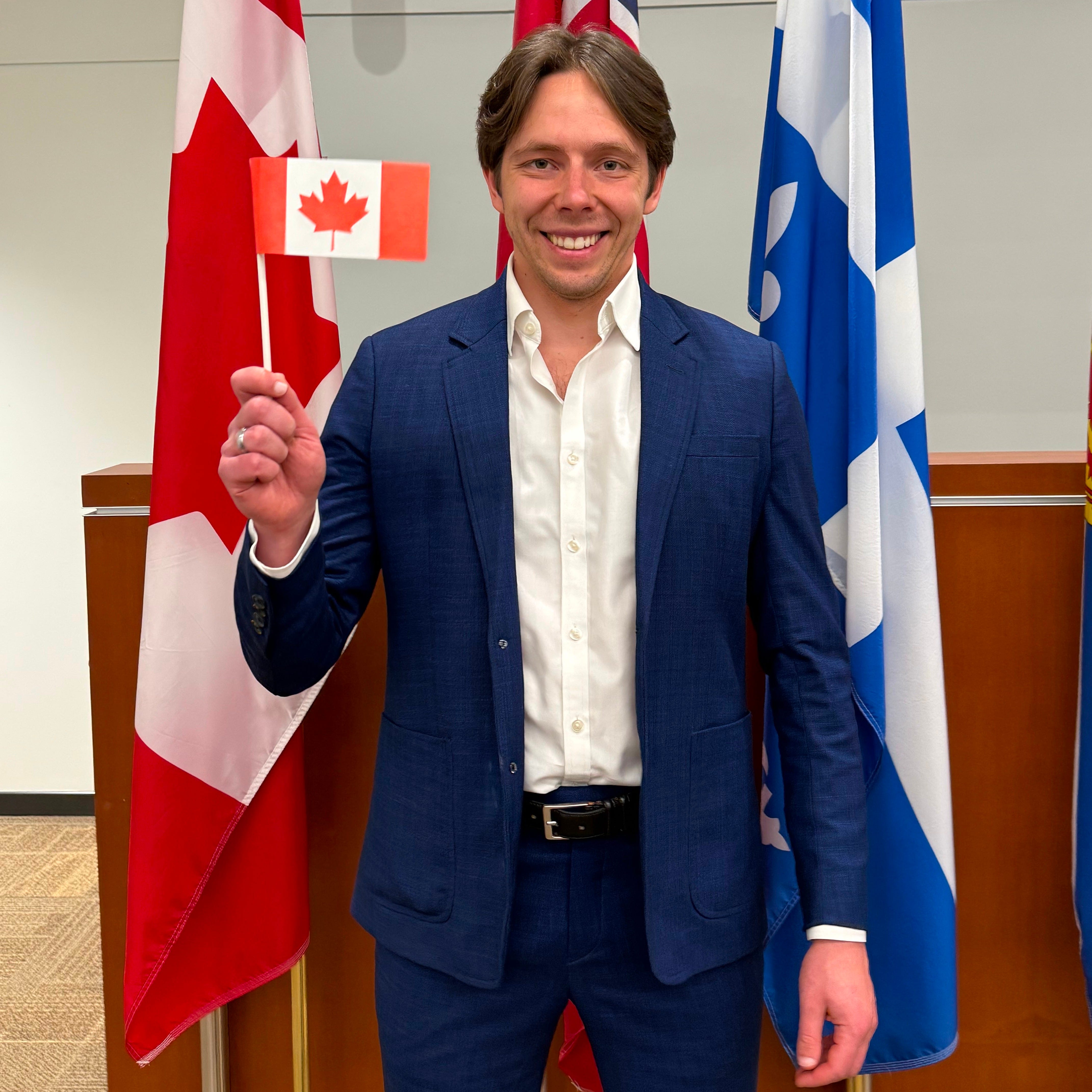
I’m not sorry for betting on Canada’s economic potential.
01
Never let a good crisis go to waste.
The world is loud with bad news. Markets crash, deals fall through, entire industries shift overnight. I’ve learned that the people who win aren’t the ones with the best starting hand; they’re the ones who see opportunity where everyone else sees chaos. Optimism isn’t naive. It’s a competitive advantage. The darkest moments have always preceded my biggest moves.
02
Radical transparency.
Life is too short to operate in half-truths. I tell clients what they need to hear, not what they want to hear. I tell my team when something isn’t working. I tell myself the truth first. It’s uncomfortable sometimes, but honesty is the only foundation that holds up long-term. Every relationship I’ve built that actually lasted was built on that.
03
Love and passion beat resources every time.
I’ve been outspent, out-networked, and out-credentialed more times than I can count. But I’ve never been out-cared. When you genuinely love what you’re building: the product, the people, the craft, and it shows up in the work. That energy is contagious and it’s impossible to fake. The biggest players in any room can throw money at a problem. They can’t manufacture heart.
One thing to takeaway
Stop waiting for the perfect conditions. The people building the future aren’t the ones with the most resources or the safest plans, they’re the ones who started before they were ready and refused to stop caring.

Alexandre is the Co-Founder & CEO of AnchorPoint Data, building voice AI agents and semantic analytics for operational teams. He previously spent nearly five years at SSENSE, including work leading analytics and operations systems across order, inventory, warehouse, and supply-chain workflows. He brings an industrial engineering and retail operations lens to applied AI.
Alexandre Cooper-Roy
Founder and CEO of UpScale Quantum Solutions. Building hardware to make quantum computing scalable.
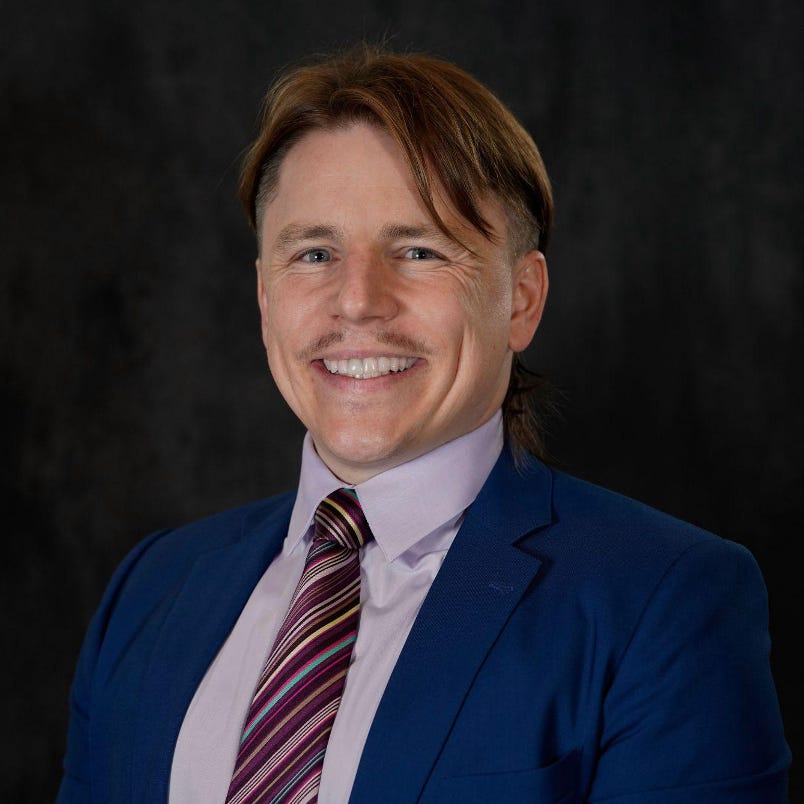
I’m not sorry for going my own way, even when it meant choosing the hard path.
Three winning principles
01
Choose your path and own it.
Follow the direction you believe in, and take responsibility for the outcomes. Learn to savour that tension in your stomach.
02
Trust your judgment.
Make decisions before anything is proven, stay close to people who get it, and keep going when things start falling apart.
03
Devote yourself to things that are real and difficult.
There is little pride in choosing the easy path.
One thing to takeaway
I keep choosing the path I want to live over the one I am supposed to want. Looking back, it may seem like it all makes sense, but it did not feel that way at the time. It also hides the dead ends, the sacrifices, and the pain. Even so, I am not sorry for going my own way.

Alexandre is the founder and CEO of UpScale Quantum Solutions and a Senior Technical Lead at the University of Waterloo’s Institute for Quantum Computing. An MIT-trained physicist (PhD, Nuclear Science), he is building the hardware infrastructure required to make quantum computers work at scale. His work focuses on developing the modular “interconnects” that allow quantum processors to communicate—solving the critical technical bottleneck that currently keeps quantum computing confined to the lab.
Ammaar Khan
Co-founder of The ADHD Weasel. Building a fast-growing ADHD media brand that helps readers turn overwhelm into clear, doable wins.

I’m not sorry for dedicating my career to a community that research overlooked for decades.
Three winning principles
01
Listen before you build.
We started with a food waste app nobody used. The people who did use it were adults with ADHD. Instead of forcing the original idea, we followed them. That pivot became a top #50 Substack newsletter.
02
Treat hard conversations as a feature, not a bug.
Most people dread them. A conversation about ownership, a missed deadline, a direction change. But avoiding them costs more than having them. Prepare with structure, open with facts, and let the other person propose solutions. Avoiding the hard conversation is usually the limiting factor.
03
Every problem you face, someone else has faced and wrote a book about.
When our meetings kept going off track, I found the answer in High Output Management. When a conversation felt impossible, Crucial Conversations gave me a framework that actually worked. Reading compounds faster than money.
One thing to takeaway
You’ll surprise yourself with how much you pick up along the way.

Ammaar is the Co-Founder of The ADHD Weasel, a weekly newsletter and media brand for ADHDers navigating focus, motivation, habits, and mental health. Launched in 2025, The ADHD Weasel has grown to 28,000+ subscribers with practical content, worksheets, and tools designed to make daily ADHD challenges feel more manageable.
Andrew Lockhead
Co-founder and CEO of Stay22. Building the monetization layer that helps creators and publishers turn travel intent into revenue.
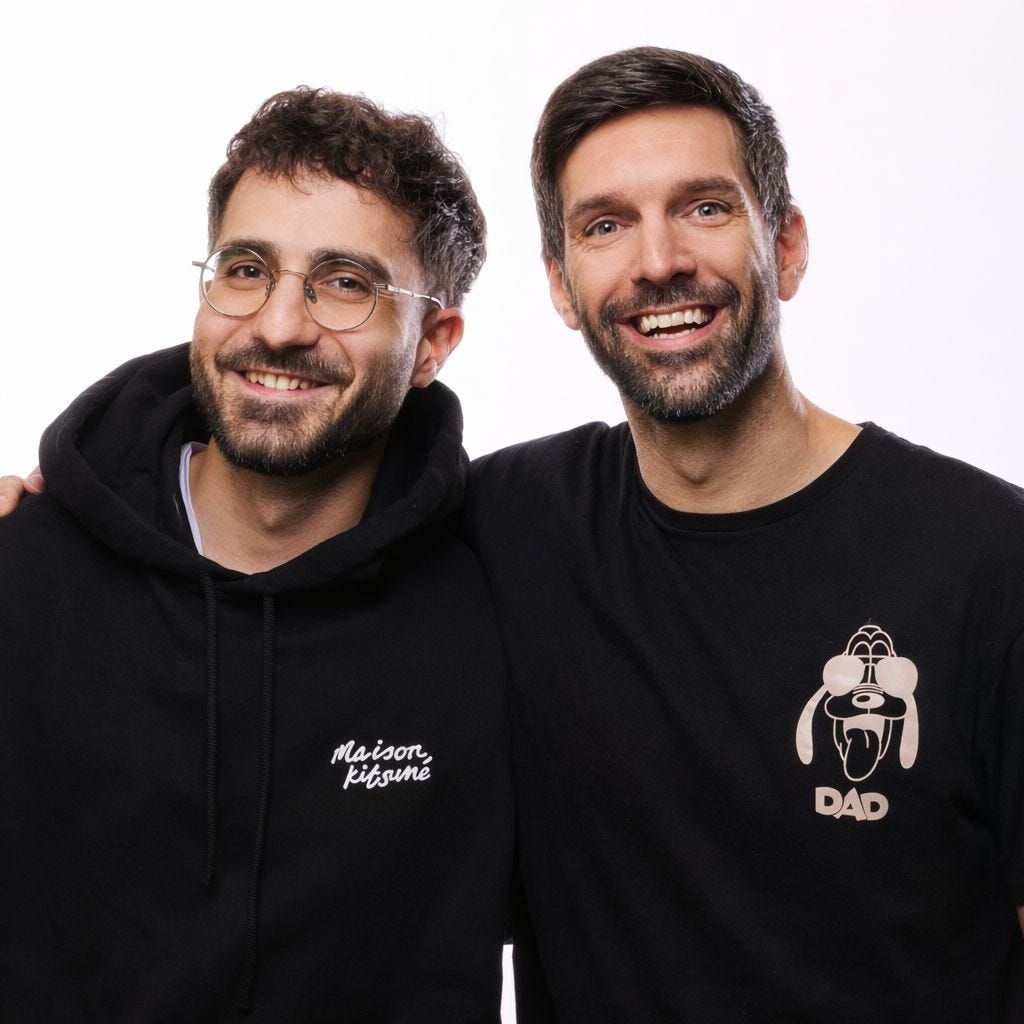
I’m not sorry for chasing what most call impossible.
Three winning principles
01
Outcome over output.
Busy is easy, results are hard. It’s very easy to build a culture around activity. Meetings, tasks, updates, a lot of activity that feels productive but doesn’t translate into real impact. We try to stay disciplined about tying everything back to what actually moves the needle: revenue, product, or people. If it doesn’t clearly ladder up to one of those, it’s probably noise. A lot of teams know this, very few actually operate this way.
02
Speed is a strategy.
Perfect is a luxury. Most companies don’t lose because they’re wrong, they lose because they’re too slow. We ship quickly, learn and adjust. Fast decisions compound, over time that becomes a real competitive advantage. Speed isn’t chaos. It’s discipline applied faster.
03
Ask for forgiveness instead of permission.
There’s always a reason to wait, more data, more alignment, better timing but waiting is often just hesitation dressed up as discipline. Take the shot, figure it out as you go and clean up the mess if needed. Progress comes from motion, not from perfect planning. Most of the upside in life sits on the other side of “just go.”
One thing to takeaway
You don’t need to be in Silicon Valley to build something massive but you do need to think like you are. Especially as Canadians, where we tend to play things a bit safer than we should. The opportunity is there, the constraint is usually mindset.

Andrew is the Co-Founder & CEO of Stay22, a Montreal travel-tech company helping creators, publishers, and event organizers monetize audience intent through AI-powered affiliate tools, interactive maps, and travel booking products. Stay22 works with 5,000+ creators and processes US$1B+ in yearly transactions; in 2026, the company announced a $122M minority growth investment from Summit Partners.
Andrew Walls
Founder and Partner at Boardroom Labs. Building ventures and operating systems for mission-driven organizations.

I’m not sorry for building ambitiously while living fully.
Three winning principles
01
You don’t have to be productive to justify your existence.
For a long time, I mistook motion for progress and exhaustion for commitment. Building a venture studio requires relentless drive, but I’ve learned that sustainable ambition demands a different math. True success isn’t just about revenue or scale; it’s about creating enduring value while maintaining the capacity to actually enjoy the things you create. If your work comes at the cost of your inner peace, your relationships, or your ability to be fully present, the math just doesn’t work out.
02
Follow your curiosity, wherever it leads.
Specialization is useful, but cross-disciplinary curiosity is how you spot the most interesting opportunities. Whether it’s diving into transition design, writing speculative fiction about the future, or learning to scuba dive and rock climb, I try to follow what fascinates me. The world’s most complex problems aren’t solved in a single lane. If something makes you lose track of time, take it seriously.
03
Show up for the future you want.
The systems we rely on are struggling to adapt to a rapidly changing world. You cannot optimize your way out of systemic failure; you have to build new models. Whether that means launching ventures that transform proactive healthcare, creating equitable infrastructure, or simply showing up for systemic reform in your community, you have to put your energy where your convictions are. The future gets made by people who decide to build it.
One thing to takeaway
Design your life and your work with intention. Build the things that matter, tackle the challenges others avoid, but never forget that you are a human being first.

Andrew is a strategist and innovator at Boardroom Labs, working at the intersection of design thinking, venture building, and future-focused strategy to help organizations create systemic change across healthcare, economics, and infrastructure.
Angela Nader
Co-founder of Ad-Lib. Built creative automation technology that became part of Smartly’s AI advertising platform.

I’m not sorry for proving ambition and humility can coexist.
Three winning principles
01
Stay low ego and stay in the game.
The best founders I know aren’t the loudest in the room. Ego closes you off but humility keeps you learning, iterating, and earning trust.
02
Keep a player-coach mentality.
I don’t believe in leading from a distance. I’m in the work alongside my team. That’s how you spot real problems, build real culture, and stay sharp enough to make good calls. It also means you’re close enough to pull in perspectives that would never reach a leader operating from a distance and those are often the ones with the most honest read on what’s actually happening.
03
Make the call and own the outcome.
Waiting for alignment is comfortable but the best moves I’ve made were ones nobody else fully believed in yet: bootstrapping, selling on our terms, betting on my own judgment before anyone else did.
One thing to takeaway
Stop waiting for permission. Those around you will often reflect back their idea of normal, not what’s possible for you. When everyone around you thinks you’re already doing the most, that echo chamber begins to feel like a ceiling. Push past it anyway.
Angela is a consumer tech operator, revenue leader, and Co-Founder of Ad-Lib, a creative automation company that became part of Smartly and is now integrated into its Creative Suite and AI Studio. Based in London, she has built and restructured commercial organizations across global platforms, with experience spanning TikTok, Spotify, Deloitte, and EY.
April Hicke
Founder and CEO of Toast. Helping women and nonbinary professionals get hired, paid, and promoted in tech.

I’m not sorry for lifting up women in tech.
Three winning principles
01
Hope is a strategy.
Cynicism is easy. Building something better is harder. The future doesn’t change because people complain about it, it changes because someone decides to build something different. Progress almost always starts with someone refusing to accept the status quo.
02
Build things that matter.
Starting a company is one of the most direct ways to turn ideas into reality. If you’re going to spend years building something, it should make the world better for someone else. Businesses can shape opportunity, culture, and who gets to participate in the economy.
03
Bet on people.
Talent is everywhere, opportunity is not. Some of the most capable people are overlooked because they don’t fit traditional hiring patterns. When you build systems that see people properly, companies - and entire industries - get stronger.
One thing to takeaway
Don’t wait for permission to build something that should exist. Most meaningful companies start with someone noticing a problem, deciding the current way isn’t good enough, and doing the work to change it.

April is the Founder & CEO of Toast, a tech recruitment platform focused on increasing gender diversity in tech. Toast has helped women land roles and negotiate compensation, putting $25M+ into women’s hands. A former PwC, WestJet, and ATB leader with 15+ years across leadership, mentoring, and change management, she is building a hiring platform around equity, advocacy, and measurable career outcomes.
Ashima Chopra
Founder and CEO of FanVerse. Building predictive fan intelligence, focusing on female fandom across all sports.

I’m not sorry for taking up space and wanting more.
Three winning principles
01
Alignment matters more than applause.
I’ve learned that being praised for something is not the same as being fulfilled by it. There were seasons of my life where, on paper, things looked impressive, but internally I knew I was building a life that didn’t fully fit. One of the biggest lessons I’ve learned is that external validation can be very loud, but is not always honest. Alignment has a different kind of truth to it. I make decisions now by asking whether something expands me, challenges me in the right ways, and feels connected to who I actually am becoming, not just whether it looks good to other people.
02
The right rooms will challenge you, not shrink you.
I’ve become much more discerning about the environments I choose. Not every opportunity is worth saying yes to, and not every room that looks impressive is actually expansive. I pay attention to what a space invites in versus what it rewards. I’ve also learned not to put people on pedestals in those rooms. Titles and proximity to power can create the illusion that others have it all figured out. What’s shifted is not just how I see others, but how I see myself. I don’t walk into rooms assuming I have less to offer. I walk in as a peer, not a spectator, grounded in my value, able to contribute and hold my own without needing to prove it first.
03
You don’t need permission to evolve.
One of the hardest things I’ve learned is that growth often requires disappointing people’s expectations of who you used to be. You don’t owe anyone consistency at the expense of your own evolution. You’re allowed to change your mind, outgrow old identities, and move toward something that makes more sense for who you are now.
One thing to takeaway
“I don’t know how” is often mistaken for “I can’t do this”. You don’t need all the answers to start. Have the willingness to stay in the discomfort long enough to figure things out.

Ashima is the Founder & CEO of FanVerse, a predictive data intelligence company helping sports, media, and commerce brands understand, engage, and grow female fandom. A lawyer with experience across human rights and venture capital, she studied at Queen Mary University of London and is building around one of sports’ most under-measured audiences.
Bryn Davis Williams
Co-founder and CEO of DOUBL. Building personalized fit technology that helps shoppers find clothing based on their proportions.

I’m not sorry for rejecting the status quo.
Three winning principles
01
Do an energy audit.
What we actually need to balance isn’t work versus life, it’s the give and the take of energy. There are things at work that fill me up and things in my personal life that drain me, and pitting “work” against “life” misses that entirely. The more you understand what gives you energy and what takes it, and the more intentionally you carve out time for the givers, the better off you’ll be. An energy audit won’t solve every scheduling conflict, but it’s one of the most useful things I do when planning ahead and setting boundaries that actually hold.
02
Question everything.
Stay curious, always. You’ve been dropped into the world in a minuscule sliver of time, and everything you do will barely be remembered. I find that genuinely exciting. What can I push? What can I change in the time I have? We stand in our own way more often than anything else stands in it for us, hiding behind rules we think can never change. We had it right as kids. Keep asking why.
03
Compare yourself to yourself.
Everyone has a different starting point, and social media makes it easy to forget that. You see someone ahead of you and feel behind, but you have no idea where they began. The only honest data point you have is your own. We’re so focused on the gap between where we are and where we want to go that we forget to look back at how far we’ve actually come. Beating yourself, knowing exactly what it took to do it, is more fulfilling than beating anyone else could ever be.
One thing to takeaway
The only way to get there is through. You get strong by putting your muscles under tension. You get confident by putting yourself in uncomfortable situations. You run a marathon by putting one foot in front of the other, over and over again. You build a business by turning problems into solutions. Start the thing, and then just keep going.
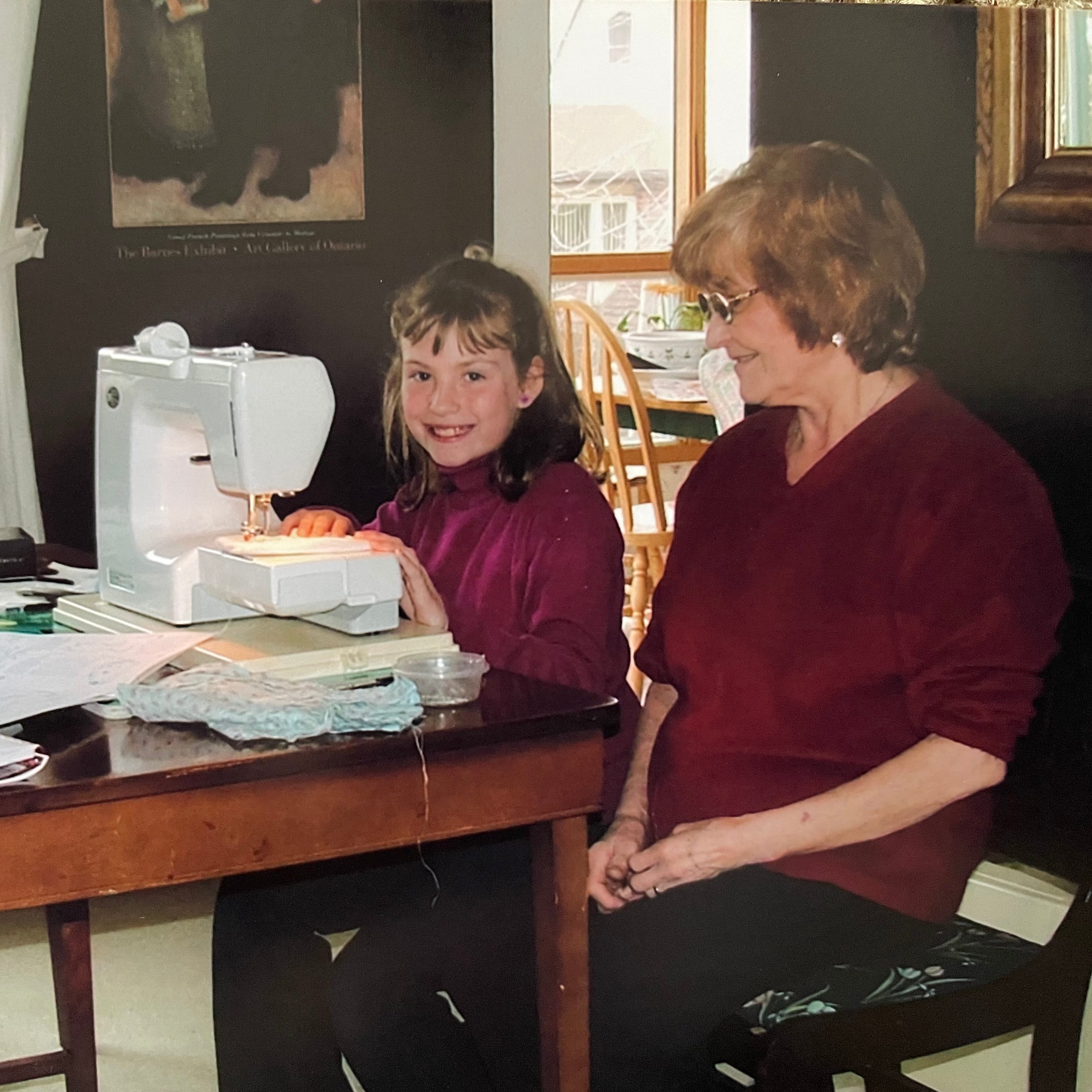
Bryn is the Co-Founder & CEO of DOUBL, a personalized fit platform that creates a virtual body double from a phone scan to help shoppers find better-fitting clothing across brands. An Ivey HBA and former Unilever brand marketer, she brings consumer brand and growth experience to a company rethinking sizing, fit, and apparel recommendations.
Charles Antoine Malenfant
Co-founder and CTO of GhostEye. Building AI-powered human-layer security software for phishing, scam-call, text, and deepfake risk.

I’m not sorry for representing French Canadians on the biggest stages.
Three winning principles
01
When in doubt, choose the harder option.
I’ve been following this principle for as long as I can remember. When faced with uncertainty (what major to choose, what career to pursue, etc.), going for the harder option will tend to be rewarded by either opening more doors or by acquiring useful skills.
02
Humility and integrity are very underrated virtues to live by.
Consistent and genuine display of humility and integrity engenders trust which is key to have success in any sphere of life. This said, unshakable confidence is also a huge part of it and striking the right balance between confidence and humility is what one should always strive towards.
03
Increase your surface area of luck.
When it comes to the startup world, YC has taught us to stay alive long enough to get lucky. I think this one applies beyond startups. A lot of creating your own luck involves stepping out of your comfort zone and putting yourself out there. Doing this consistently will dramatically increase the likelihood of getting lucky.
One thing to takeaway
Human nature forces us to want to control and understand everything happening around us but the reality is that most people’s circle of influence is quite small. Directing your energy towards things you actually have sway over is truly liberating.

Charles is the Co-Founder & CTO of GhostEye, a YC S25 cybersecurity company building vulnerability management for the human layer. A former Senior AI Engineer at BlackRock, he builds AI systems that map employee exposure and run personalized phishing, scam-call, text, and deepfake simulations to help security teams measure human risk.
Chinni Kanu
Co-founder and CEO of Ceezaa. Building a consumer app that translates spending behavior into taste and identity.
I’m not sorry for walking away from the traditional path.
Three winning principles
01
The safest path is the most dangerous one.
I had the path laid out. Queen’s Commerce. M&A investment banking at PJT Partners in New York. The next step was supposed to be private equity or B-school. Everyone around me followed the playbook. I left because I realized the playbook was someone else’s dream, not mine. The “safe” route felt like the biggest risk I could take because it meant spending my best years building someone else’s vision. The real risk isn’t leaving the path. It’s staying on one that was never yours. The best time to chase your dreams was yesterday, and the next best time is right now.
02
Disconnect to perform.
The best ideas I’ve ever had didn’t come from a 16-hour day at my laptop. They came on the basketball court, in the gym, time with friends, on a walk where I wasn’t thinking about work at all. Stepping away isn’t a break from building; it’s part of building. Your brain needs space to connect the dots. Protect the time away so you show up sharper when it counts. It’s a marathon, not a sprint.
03
Representation isn’t optional.
Where you come from and who you see around you shape what you believe is possible. I didn’t see enough people who looked like me in the spaces I wanted to be in, especially in finance. That’s a big part of why I founded the Smith Black Business Association at Queen’s, and later Blackleaf Capital, to bridge the gap for Black students across Canada interested in finance. Not just to create access, but to make those paths feel normal, visible, and attainable for the next generation coming up. Sometimes, seeing is believing.
One thing to takeaway
Nobody cares. Not in the way you think. We hold ourselves back from chasing what we actually want because we’re afraid of being judged. But everyone else is too busy dealing with their own problems to worry about yours. Life is too short to let other people’s opinions become your ceiling. Fear is temporary. Keep going, knowing that you at least tried.
Chinni is the Co-Founder & CEO of Ceezaa, a consumer app that translates spend behavior into a living record of taste and identity. He previously worked in investment banking at PJT Partners and founded Blackleaf Capital, a nonprofit investment fund and finance education program for Black university students across Canada, while studying Commerce at Queen’s.
Christian Alphonse
Co-founder of WattShare. Building peer-to-peer EV charging software for apartments and underused private chargers.

I’m not sorry for believing win-win scenarios always exist.
Three winning principles
01
Lead with the humility to be wrong.
Stop trying to be the smartest person in the room or convincing others that you have all the answers. It’s the worst way to build trust and create genuine connections. Instead, focus on having the humility to be wrong and the vulnerability to admit when you don’t know something. You’ll be surprised how far that honesty takes you in both life and business.
02
Relentless Curiosity: Protect your time to learn.
I block 30 minutes to 2 hours every single day strictly to learn. Whether I’m picking up something new, deepening my understanding of a subject, or seeking a fresh perspective from others (young or old), nurturing your curious side is essential for growth; if you don’t prioritize it, you’ll stay stuck in the same place.
03
Be courageous, especially when the odds are against you.
I started dreaming of universal access to energy when I was a child experiencing blackouts in Haiti. It sounded crazy to many people when I said I wanted to start a cleantech company just as Fintech and AI startups were taking off. To me, being courageous is about having the conviction to keep going even when the rest of the world seems opposed to your vision.
One thing to takeaway
The I-Ching principles are part of my daily affirmations because they remind me that change is the only constant in life. Master the art of the reframe; when you embrace change instead of resisting it, you find the path forward.

Christian is the Co-Founder of WattShare, a Toronto-based EV charger sharing platform that connects EV drivers with private charger owners. WattShare helps hosts monetize underused chargers while giving drivers a bookable way to access charging across homes, apartments, fleets, commercial properties, and multi-unit buildings.
Craig Kerr
Product lead at Lila Sciences. Building AI x bio products for autonomous scientific discovery.
I’m not sorry for always striving to learn.
Three winning principles
01
Decisiveness: choose action over stagnation.
Inaction is the only path that offers no data, no growth, and no closure. A wrong turn can be corrected, but standing still leaves you stranded while the world moves on. We rarely regret the risks that failed; we regret the moments we were too afraid to try. Fortune favors the bold because even a mistake provides a lesson, whereas hesitation only provides a haunt.
02
Beginner’s Mindset: there is no such thing as a stupid question.
Curiosity is the engine of growth, but it only runs when we give ourselves permission to not already know the answer. A beginner’s mindset means setting aside ego and the fear of looking foolish and recognizing that the moment you stop asking questions is the moment you stop learning. Every expert was once a beginner who dared to ask the obvious, and the “stupid” question is often the most honest one in the room — the one everyone else is too proud to voice. Asking it doesn’t reveal ignorance, instead it reveals courage and a genuine desire to understand. This is also a reflection of how we treat others: when someone asks something you consider basic, that question deserves patience, not condescension, and clarity, not eye-rolls, because knowledge is only valuable when it’s shared freely. Stay curious. Stay humble. Ask the question.
03
Pay It Forward: Be kind and build your network.
Kindness is rarely forgotten. The generosity and care you extend to others quietly builds something larger than yourself, a web of trust and mutual support that you may one day need to lean on. Life has a way of humbling even the most self-sufficient; the people you show up for today become the community that shows up for you when needed the most. So be generous with your time and empathy while you have them to give, because building a support network isn’t a sign of weakness; it’s one of the wisest things you cando. Stay open. Stay connected. You won’t always be the one with the answers, and that’s exactly why it matters how you treat people on the days that you are.
One thing to takeaway
No one is going to make a decision or build your dream for you, take the chance, seize the moment, and build it yourself.

Craig is a product leader at Lila Sciences, an AI science company building autonomous labs and scientific superintelligence tools across biology, chemistry, and materials. A UBC PhD in Biochemistry and Molecular Biology with postdoctoral experience at Stanford, he has published across RNA biology, translation, mRNA design, and ribosome-associated protein research.
Eliana Field-Marsham
Co-founder and COO of SONNI. Building mineral SPF skincare designed to make daily sun protection wearable and invisible.

I’m not sorry for maintaining balance.
Three winning principles
01
Figure out what makes you whole and prioritize it relentlessly.
Building SONNI has pushed me to get honest about this in a way nothing else has. You can’t be amazing at every role in your life every day, but if you think of it as an exchange of energy, balance starts to feel achievable.
My approach is simple:
Pick three things you want to prioritize in this season of life
At the end of each day or week, check in on where your energy actually went
Use that to inform where it goes next
I know what it feels like to be heads down, grinding, completely on autopilot. And I know what all play, no work feels like too. Neither one is it for me. I’m my best self when I’m working hard, taking care of myself, and maintaining a full life outside of work. That’s how I reach my flow state, and that’s what allows me to show up as the cofounder and COO that SONNI needs.
02
Women can do anything and then some.
I went to an all-girls school in Toronto, grew up in a house full of sisters, and spent the rest of my life choosing all-women environments: my sorority in college, my first startup role at Little Spoon, and now with our team at SONNI. That wasn’t an accident. These spaces shape how I see myself and what I believe is possible.
Operations is still a male-dominated field, even in the consumer space. Fundraising as a young female founder isn’t for the faint of heart. Walking into rooms full of investors who don’t look like you is uncomfortable. But other women have done it, so I know I can too. (My dream is to build an all-women Ops team. I’m working on it.)
03
If you don’t like something, change it. If you can’t change it, change the way you think about it.
There are moments - as a founder, as a person - when I catch myself complaining or getting complacent. But I control more than I think I do, and when I genuinely can’t control something, there’s almost always another way to look at it - a silver lining, a lesson, something worth keeping. That reframe is a muscle: the more you use it, the stronger it gets.
One thing to takeaway
You have so much agency in your life. Take the reins, make the changes, do the things that fill you up.

Eliana is the Co-Founder & COO of SONNI, a next-generation suncare brand making mineral SPF feel like skincare. A Stanford GSB graduate with prior experience at McKinsey and Little Spoon, she leads operations for a launch focused on invisible, non-greasy mineral sun protection that works across skin tones and daily routines.
Ian Burgess
Founder and President of Ascendance Foundry. Building AI-first apprenticeship programs that place emerging technical talent into real company projects.

I’m not sorry for showing that Canada’s youth can be shockingly productive before completing four years of University.
Three winning principles
01
I believe in the Second Law of Thermodynamics.
Disorder is the default. Order is expensive. Many organizational failures come from suspension of belief in the Second Law, including those that killed hundreds of millions under communism in the 20th century. Some examples:
Change management is hard. If you introduce a process change complex enough that one person can do it correctly 90% of the time, then the odds that 100 people can all do it correctly is ~0.002% (0.9^100).
Obsess with your customer, not your technology. There are infinite bad solutions for your customer’s problem and vanishingly few great ones. If you are not obsessed with finding the best solution for your customer every day, the odds you will build something valuable to them is ~0.
If you don’t prioritize growth, your organization (or economy) will shrink. There are infinitely more possible ways to destroy value than to create value. Of all the possible ways to run a business, most are not effective. Of all the possible ways to run a society, most leave everyone poor. Therefore if you are not focused on growth, odds are your organization will shrink (get poorer).
02
Say it like it is.
It is already difficult enough to lead a team of driven people to solve a very hard problem. Don’t make it harder by beating around the bush.
Be obsessed with finding the best solution, not with defending your current solution.
If you are only saying things when you are certain everyone else agrees, you are not a leader by definition.
If you really believe someone has potential for greatness, you will tell them when what they are doing is not great. Communicating low expectations is not kindness.
03
Fix mistakes fast. Take full advantage of good fortune when it comes.
In my experience, success correlates with the time average of successes and failures more than the number of successes and failures.
The most successful people I know are good at failing fast - identifying and fixing mistakes quickly - and then taking full advantage when things go their way.
The easiest way to underachieve your potential is to dwell on one failure or one bad idea for a really long time.
Most people are too afraid of making mistakes and not afraid enough of moving too slowly.
One thing to takeaway
Believe in the Second Law.
Ian is the Founder & President of Ascendance Foundry, an AI-first apprenticeship venture that recruits and trains students, then places them into real company projects as fellows. A Harvard PhD in Applied Physics and co-founder of Validere, he brings deep technical, startup, and mentorship experience across photonics, AI, energy data, and early-career talent development.
Jay Gerbrandt
Founder and CEO of Fruitbloom. Bringing proven allied technologies into Canadian minerals, energy, photonics, and compute markets.
I’m not sorry for picking Canada’s lowest-hanging fruit.
Three winning principles
01
Grow curiously.
Engage people with earnest curiosity. Trust them to be experts on their fields, and show up by doing some research of your own. The best parts of my story have come from saying “yes” to things outside my comfort zone: I wasn’t ready for a French-immersion Cree JV gold mine. I wasn’t planning to build an online map of Indigenous place names. One led to the other.
02
Pursue coherence.
Had my 7-year-old self not insisted on a mall trip that day, trusted my little gut, what would my life be? “You! With the boy! Stop!” The lithe, stubbly Brit ran over to us, introducing himself as the director of a movie, “with John Cusack.” He told my parents that here, in the Eaton Centre in August 2000, was the kid he needed for the part: me. So I’m the kid in the elevator, in the devil costume. Irony: my casting in Serendipity being serendipitous.
03
Vibecode responsibly.
Having given many devs at Rivian and EvenUp thoughtful feedback is a stealth superpower when it comes to getting Claude to make what I want. In a month, I have been able to replace almost all the software I pay for with my own versions. But you need to make informed design choices from the beginning. You are responsible for security, for interfaces, and for knowing your tools.
One thing to takeaway
Though pith nourishes us, we remember the juice.

Jay is the Founder & CEO of Fruitbloom Canadian Resources, which facilitates technology-transfer partnerships from allied democracies into Canada across urban mining, rugged power, photonics, and sovereign compute. A Harvard history grad, he previously worked in strategy consulting at Bain, contributed to IPO and brand work at Rivian, and built investor collateral for EvenUp’s Series B.
Jeffrey Fasegha
Co-founder and CEO of Deducta. Building procurement data intelligence software for enterprise spend teams.

I’m not sorry for trying my best.
Three winning principles
01
Integrity is key.
02
Learn the rules of the game.
03
Touch grass often.
One thing to takeaway
You can just do things.

Jeffrey is the Co-Founder & CEO of Deducta, a London-based procurement data intelligence platform helping enterprises unify spend data, normalize suppliers, identify opportunities, and track initiatives. A Canadian Rhodes Scholar and U of T/Rotman Commerce alum, he previously founded the Black Career Conference and co-founded Black Rotman Commerce.
Jenn Nguyen
Co-founder and CEO of LookbookAI. Building AI-powered visual tools for luxury and fashion brands.

I’m not sorry for being fashionably late.
Three winning principles
01
Everything happens for you, not to you.
Nothing is against you, unless you decide it is. Life is about framing – view a bad experience as a setback, or see it as a step forward. If it changes you, then it’s an opportunity to become better.
02
Luck is preparation meets opportunity.
The hard work you do behind the scenes always rewards itself. Always be ready for when that moment can come, it could be your golden ticket.
03
Be the most authentic version of you.
There is no competition when you are fully yourself. No one else has your perspective, your voice, your way of seeing the world. Being the real you is the advantage.
One thing to takeaway
Your life is a fashion show – make money and look good doing it.

Jenn is the Co-Founder & CEO of LookbookAI, where she leads product and strategy for AI-powered image and video tools for fashion and luxury brands. A product, UX, and e-commerce leader, she is building technology that helps brands create on-brand, editorial-quality imagery at scale across e-commerce, campaigns, and video.
Jeremy Auger
Co-founder and Managing Partner at Lucid Ventures. D2L co-founder backing AI-native B2B and frontier-tech founders.

I’m not sorry for refusing to treat Canada like a farm team.
Three winning principles
01
Authenticity is a Force Multiplier.
There is a tired myth that to be a “serious” executive, you must be a stoic, humorless robot. I reject that. You can be the most rigorous person in the boardroom and still be the person who cracks a joke or leads with kindness. When you show up as the same person across all your personas - founder, board member, mentor, colleague, boss, friend - you build a level of trust and speed that “professional masking” can never achieve. Being nice isn’t a weakness; it’s a strategic advantage.
02
Great Ideas Must Earn Their Keep.
Ideas are free, but they shouldn’t be coddled. The best outcomes aren’t born in polite consensus; they are forged through vigorous debate and relentless challenge. I strive to build environments where we separate the person from the protocol where we can be “kind to the person, but brutal to the idea.” If an idea can’t survive a room full of smart people trying to poke holes in it, it isn’t ready for the market.
03
Don’t Wait for the Roadmap—Write It.
Growth lives at the edge of what’s comfortable. Whether it was the early days of the internet or today’s AI-native revolution, the most significant breakthroughs come from those who refuse to accept “the way things have always been done” as a valid constraint. Don’t wait for the roadmap to be written by someone else; be the one holding the pen. If you aren’t slightly uncomfortable with the pace of change, you aren’t leading it.
One thing to takeaway
You don’t need to have every answer to start, and you will never have 100% of the information. The roadmap will never be finished. The difference between those who scale and those who stall is the willingness to pick up the pen and start writing. Stop asking for permission and start building.

Jeremy is the Co-Founder & Managing Partner at Lucid Ventures, a seed-stage fund backing AI-native B2B software and commercial frontier technologies. He previously co-founded D2L, helping scale it from startup to public global edtech company, and held CTO, COO, and CSO roles. A named inventor on 30+ patents, he brings operator, product, M&A, and global expansion experience to early-stage founders.
Jia Ming Huang
Co-founder of Diaminate. Building AI tools for investor-founder matching and event intelligence.

I’m not sorry for giving my all to my people.
Three winning principles
01
The world is abundant.
Opportunities surface when we build in public. Every business is only a small piece of a huge pie, we can each have our little piece.
02
Be an interesting person.
When you’re building, people want to follow your journey of a being an interesting person. For the same reason Day in the Life videos are popular. People want to resonate with a story. Seeing someone make it inspires.
03
You can just do things
Don’t be trapped with analysis paralysis. When you just do things, you know what you don’t know, you know what you don’t like, and you leave with a story to tell and a lesson learned.
One thing to takeaway
Go outside your comfort zone and do something that seems impossible. The only regret comes from inaction.

Jia Ming is the Co-Founder & CPO of Diaminate, an AI-driven platform for investor-founder matching and event intelligence. Diaminate’s products include Fundraise, TalkMatch, and EventIQ, with TalkMatch live for event matchmaking. He is also a Cursor Ambassador organizing community events in Calgary and Toronto, including a 400+ person Cursor meetup during Toronto Tech Week 2026.
Justin Allen
Co-founder of GlucoSolutions. Building non-invasive glucose monitoring technology for prediabetes prevention.

I’m not sorry for being too early.
Three winning principles
01
Do what you’re thinking about.
If you spend too much time thinking about something, you’ll convince yourself you got it done without anything to show for it. Stop thinking about how great it’s going to be, first make it badly.
02
Make something you want your family to use.
If I wouldn’t feel comfortable letting people I know use my product, it needs to be refined more. The most important standard is the one I’m holding myself to.
03
I don’t know enough about anything to stop learning about it.
Learning will happen over and over for any skill I have, no matter how good I am at it. If you don’t let yourself be a student again, your biggest strength will be a crutch.
One thing to takeaway
I never planned on being an entrepreneur, it just so happened being one was the best way to make my goals a reality. Be open to changing how you do work, as long as you get the work done.

Justin is the Co-Founder of Gluco Solutions Inc., a company developing non-invasive glucose monitoring technology for prediabetes. With an engineering background from Toronto Metropolitan University, he is focused on building tools that help people track glucose levels without traditional invasive methods.
Kasey Boyle
Founder and CEO of Bantor. Building AI software that helps field sales reps capture conference conversations and automate follow-ups.

I’m not sorry for wanting more for myself, my people, my country, and what I’m building.
Three winning principles
01
Think about your deathbed.
We spend so much energy avoiding the thought of death when acknowledging it is actually the most clarifying thing you can do. Life is finite. When I’m stuck on a decision, I ask myself: how would I feel on my deathbed if I didn’t do it? The answer usually cuts right through the noise. I would rather try and fail than never try at all.
02
Let yourself be seen.
Hiding who you are is exhausting, and it’s a ceiling. There is real power in naming your vulnerabilities instead of managing them. People can’t show up for you if they don’t understand you, and you can’t build anything meaningful alone. Give yourself the grace to be seen. And try, as hard as you can, to see others beyond what they show on the surface.
03
Stop thinking, start doing.
Every minute you spend deliberating is a minute you could be moving. Once you’ve made a decision, you’ve made it. Toying with it after the fact is just wasted energy. Make the call, do the thing, and face what comes next.
One thing to takeaway
If you don’t like it, change it.
Kasey is the Founder & CEO of Bantor, AI software that helps field sales teams capture conference conversations, track key details, and draft follow-ups. A Harvard MBA and former BCG consultant, she brings a strategy and GTM lens to a workflow every rep feels: turning in-person conversations into pipeline.
Kristin O’Neill
Forward for Team Canada and the New York Sirens. Olympic silver medalist and five-time World Champion.

I’m not sorry for never giving up on my dreams.
Three winning principles
01
Kindness: make people feel heard and valued.
Nothing big is built alone. Teammates, coaches, and mentors invest in you when they feel respected, not used. People forget the details, but they remember how you made them feel. Kindness builds trust, and trust is what holds teams together.
02
Courage: say the dream out loud.
I started saying “Team Canada” when I was a kid. It sounded impossible, but my family and coaches didn’t laugh; they asked what the next step was. Saying the goal out loud forces you to take it seriously, and it helps the people around you help you. If you won’t name it, you won’t chase it.
03
Process over outcome: let preparation create confidence.
I can’t control selection. I can control my habits: training, recovery, film, and the small details every day. When you focus on what you can control and do it consistently, confidence builds. On game day, you know you’re ready.
One thing to takeaway
When confidence is hard to find, remember the “rule of thirds”.
How we think we should feel: 100% good.
How it should feel: Good (approximately 1/3), Okay (approximately 1/3), Crappy (approximately 1/3). And that’s okay!

Kristin is a forward for the New York Sirens and a core member of Team Canada. She helped lead Canada to a silver medal at the 2026 Milano Cortina Olympics, and scored Canada’s only goal in the gold medal game. With five World Championship medals to her name, she’s established herself as one of the most reliable two-way players in professional hockey.
Lauren Nunziata
Founder of Tiny Laundry. Scaling a portfolio of consumer brands and distinctive real assets.

I’m not sorry for choosing risk over security.
Three winning principles
01
Test, iterate, repeat - fast.
Ideas are only as good as the feedback they get. Move quickly, learn quickly, fail even faster, adjust, and keep improving. Small, deliberate wins compound over time. Every tiny feedback-based improvement - product tweak, customer interaction, team process...adds up.
02
Happiness is reducing the gap between expectation and reality.
Borrowing a page from Mo Gawdat, happiness comes from either aligning expectations with reality or shifting your perception of reality. By staying humble, practicing gratitude, and adjusting expectations, it becomes possible to find contentment even amidst uncertainty.
03
Say “thank you” more than you think you should.
Gratitude builds trust, loyalty, and energy in every relationship - from your team and partners to your customers.
One thing to takeaway
Hating your job is hard. Building a startup is hard. Choose your hard!

Lauren is the Founder of Tiny Laundry, a developmental babywear brand she acquired in 2025. An Ivey HBA with experience at Google and Unilever, she spent four years leading go-to-market operations and helping launch YouTube Shorts in Canada. Today, she manages a portfolio of niche consumer businesses and distinctive real assets, including Long Lake Cabin and Technic Revolution. Based in North Vancouver, Lauren applies her background in global brand marketing and operations to build thoughtful products, grow small businesses, and develop memorable physical spaces.
Lindsay Kruit
Founder and CEO of Stowe Health. Building the platform to organize and simplify healthcare for Canadians.

I’m not sorry for relentlessly persisting.
I grew up in a small town on Vancouver Island and had a very narrow perspective on the outside world. I didn’t know what the options for a career could be, and as I navigated my path, I often felt like I was sprinting through the fog - I wasn’t sure exactly where I was headed, but I pushed forward regardless (yes, sometimes tripping over obstacles along the way.)
Apparently one of my earliest phrases as a toddler was “I do it!” Independent and strong willed from the start, I drove my parents and eventually my bosses crazy with my insistence on doing it my way. I was never willing to settle in, I always wanted to push the limit and try for more.
I’ve heard it all over the years: “Who does she think she is?” “You’re too intense.” “You should try being more approachable.” Charting your own path can be tedious and lonely. You often think you’re doing it all wrong. You often get told there’s a different way you should go about it. You either need a robust support system or you need thick skin and relentless persistence. Over the years, I have developed the latter.
And don’t get me wrong, I have had my fair share of handwringing and worries along the way. Why can’t I just go with the flow more? Why do I have to be so strong headed? Why can’t I be more likeable? Believe me, being strong headed resulted in many, many mistakes along the way. Yet, I have learned that the compulsion I had toward personal agency was more of a strength than a weakness once I learned how to wield it well. And those mistakes became teaching moments so long as I was willing to remain open to change along the way.
From that small town to downtown Toronto, from being an accounts receivable clerk to a two-time CFO and now an entrepreneur, I have been incredibly fortunate to have the career I have had. It has, however, not been an easy road. I have fought very hard for where I am now, and chalk it up to my relentless persistence along the way.
I think some of what has made it possible has been the security and opportunity available (if you grasp it) in the country we live in. Canada is one of the greatest countries in the world, and I am deeply proud to call myself a Canadian. That said, it does have its opportunities for improvement.
Canadian niceness is world renowned, but it comes with a flip side / a shadow side. The same cultural forces that produce politeness, modesty, and conflict aversion also tend to drive deference to rank / institution / process, results in some gatekeeping, and provokes passive aggression as a release valve. If someone is seen as rocking the boat, getting too big for their britches, or not playing by the rules, especially when that person is a woman, there’s often a price to pay for that. It’s a little bit of Tall Poppy Syndrome meets crabs in a bucket (except the crabs say sorry as they’re pulling you back in).
While it’s far from the only reason, I believe this is one of the contributing factors for why some of Canada’s boldest and brightest have gone south of the border, where ambitious behaviours are celebrated, not scorned. Either that, or some take their foot off the gas, tired of going against the current.
I, for one, am going to keep fighting. I hope for a future where Canadians dream bigger and support each other along the way. Where ambition and audacity are celebrated, especially when they’re directed toward making the future brighter for humanity. I relentlessly persist in making this dream a reality, and I hope others will too.
Three winning principles
01
Try not to focus too much on being likeable.
It is impossible to please everyone and get everyone to like you.
Love yourself and believe in yourself first. If others also believe in you, that’s a cherry on top, but that intrinsic confidence is paramount.
02
Focus on “Opportunities for Improvement”.
Take the positive view on how to learn and grow in every situation, don’t focus on blame, excuses, faults or failures.
A negative mindset is demoralising, whereas the positive perspective is motivating and even inspiring.
03
Always keep learning and growing.
You don’t have to be perfect, and it’s okay to fail, but you do have to try.
Always keep learning, never plateau or flatline.
The only constant is change - if you’re not moving forward, you’re moving backward.
One thing to takeaway
If I can do it, you can too. There is nothing particularly special about me. I am not gifted, I am not well connected, I didn’t go to the best school or work at the most well known companies. All I did was consistently keep pushing forward. Life is the most fascinating thing, and I want to get to the end of it and feel so proud of what I accomplished and experienced. Don’t waste the time you have, make the most of it. If you keep moving forward, you too can surprise yourself with what you can accomplish. All you have to do is relentlessly persist.
And for the women in the room in particular, I say this. The number of times I’ve heard “who does she think she is?” is more than I can count, and I’m sure many of you have too. The statement can be triggering and imposter syndrome inducing. But does the answer really matter? Why listen and hold yourself back for the opinions of those who really only see a part of your whole? Persist regardless, I promise it will be worth it.

Lindsay is the CEO of Stowe Health and a Rotman MBA. A two-time former CFO, she transitioned from senior financial leadership to build a technical solution for Canada’s medical system. Stowe Health enables users to organize fragmented medical records and navigate complex healthcare data. Based in Toronto, she is putting a CFO’s discipline to work on the system’s inefficiencies, and on giving patients more control over their own care.
Lisa-Marie Assenza
Founder and CEO of Impacked. Building the B2B marketplace for sustainable packaging.

I’m not sorry for my small town Canadian roots that made me who I am.
Three winning principles
01
A person who never gives up is hard to beat
Keep putting in the work and never stop believing in yourself. Where there’s a will, there’s always a way.
02
Over-invest in relationships.
Friends, family, partners, colleagues. In the end, people make the difference. Sometimes being “too nice” is a superpower.
03
Your energy creates your reality.
Energy is palpable. A person on a mission vibrates at a different frequency, and the right people and opportunities find you when you’re just being you.
One thing to takeaway
Even when there’s not a clear path, try anyway. If you believe you can, you can.

Lisa-Marie is the CEO of Impacked. An Ivey MBA and packaging strategist, she is building a marketplace to simplify primary packaging procurement for consumer brands. She specializes in packaging-led growth and sustainability, helping firms navigate fragmented supply chains. Based in New York City, her platform digitizes the procurement lifecycle to reduce lead times and environmental impact.
Liza Akhvledziani Carew
Co-founder and CEO of Chexy. Building the platform that turns rent into rewards and credit.

I’m not sorry for building what everyone said was impossible. They were wrong.
Three winning principles
01
Say the uncomfortable thing first.
In a negotiation, a hire, or a board meeting, the thing you’re tiptoeing around is always the thing that needs to be said out loud. Candor isn’t rude. Avoidance is expensive.
02
Distribution is the product.
A great feature no one finds is a graveyard. I spend as much time thinking about how people discover us as I do about what we’re building.
03
The market that doesn’t exist yet is the one worth building for.
Rent, mortgage, bills didn’t earn rewards because no one built the infrastructure to make it possible. The biggest opportunities aren’t hiding in competition - they’re hiding in assumptions everyone stopped questioning.
One thing to takeaway
The biggest opportunities hide in the assumptions everyone stopped questioning. Build there.
Liza is the CEO and Co-founder of Chexy. A CFA charterholder and UBC Chancellor’s Scholar, she founded the platform to enable tenants to earn rewards and build credit through rent payments. Based in Toronto, she leads the firm’s expansion in the Canadian rental market by integrating financial incentives into residential leasing. Liza is a member of Emerging Women in Finance and worked in institutional investment management before launching Chexy to modernize the rental experience.
Mathew Mozaffari
Founder at Speer. Advisor at Grata, revolutionizing traditional multifamily and student properties.

I’m not sorry for following signals over noise.
Three winning principles
01
Anything in life worth doing is worth overdoing.
If something shows even a signal - traction, clarity, money, momentum - lean into it completely. Most people hesitate. You shouldn’t. If a product has legs, it will tell you, often subtly. Your job is to notice and double down.
02
Failure is data.
Failure isn’t wasted effort - it’s direction. It tells you what doesn’t work and often points to what might happen if you do the exact opposite of what you just attempted. Progress is iterative and scientific. Enough failed attempts, applied consistently, lead to the one outcome that moves everything forward.
03
Grit compounds.
Most people don’t fail - they stop. They try once, twice, maybe three times, then walk away. Grit is what keeps you going when it’s uncomfortable, unclear, or unrewarding. The ability to get back up, and learn how to, matters more than avoiding the fall.
One thing to takeaway
Listen to signals, ignore noise, and don’t take advice from people whose life you don’t want.

Mathew is the Founder of Speer and an advisor at Grata. He is a technology professional based in Toronto with a background in STEM community leadership including roles at Ryerson University and the Ryerson Science Society. He has appeared on CBC discussing the impact of technology on Canadian daily life.
Megan Black
Founder and CEO of SONNI. Building high-performance mineral SPF for daily use.

I’m not sorry for questioning things that are “just the way they are.”
Three winning principles
01
A lot of things stick around simply because no one questions them.
The products we use, the systems we operate within, the routines we follow. Over time, you get used to how something feels, even if it’s not actually that good. I try to notice that friction instead of normalizing it. Once you start paying attention, you realize how much of the world is built on “good enough.”
02
Just because something makes sense on paper doesn’t mean it’s right for you.
For a long time, I was on a very clear, conventional path. It looked right from the outside, and it’s what a lot of people around me were doing. But eventually I realized I didn’t actually want that version of my life. Not because it was bad, just because it wasn’t mine. That realization changed how I make decisions.
03
Build for real life, not ideal conditions.
It’s not enough for something to be conceptually good. It has to work on busy days, in imperfect routines, when people aren’t thinking about it. That extra level of thoughtfulness is usually what makes something stick.
One thing to takeaway
A lot of life is shaped by what we don’t question. The more willing you are to pause, look at things honestly, and decide what you actually want, the more intentional everything becomes. And that’s usually where the interesting things start.

Megan is the Founder and CEO of SONNI. A Kellogg MBA with experience at Estée Lauder, she left corporate retail to address technical flaws in mineral sunscreen. She merges product strategy with global retail experience to build habit-forming suncare that matches prestige skincare quality. Her mission is to remove the friction that prevents daily sunscreen use.
Mikayla Stewart
Founder of Athena Collective. Helping founders scale through AI-driven operations.

I’m not sorry for trying to spend my career focused on others instead of myself.
Three winning principles
01
Just start helping.
I have spent my career centered around the idea that you can learn so much by offering to help figure something out for someone. Most of the contracts I worked on - I had no idea what I was going into, and I was working with founders who had no idea how to solve the solution. The Difference? I had the time to figure out a solution for them, they didn’t have the bandwidth. It is okay to ask for help, but it is also okay to come in and offer the help of “I don’t know how to fix this, but let me find out for you” (It’s also a great way to learn a lot of different skills very early in your career. It does however require a lot of ‘volunteering’ while you learn these pieces)
02
Don’t seek money.
Don’t let it be your guiding principle. By doing that you are forced to not support people you would have otherwise, you let yourself get a little corrupted. Follow what feeds your soul and the money will follow that. I’ve really been a big proponent of just offering help regardless of the resources someone has to compensate for it. I’ve done countless hours of free advising, support and just straight up work for companies. I honestly wouldn’t trade a moment of it for some cushy high paying job. Because it meant that I got to learn so much about how to support founders that I get to turn around and tailor for the women in Athena Collective. I get to take all these pieces and build a product that works alongside you, and the money follows now but it was and is not the reason I do anything. It’s just a bonus that feeds an already full heart.
03
Motivation is a Choice.
It is an active decision every moment of every day. Willing to tackle something you don’t want to do is critical for success, but it’s never going to just magically happen. You have to choose, and it’s okay to say “I’m not choosing to tackle more than I believe I can handle”, but know that at the end of the day it’s a choice you made. There are many days that I choose to allocate my energy.
One thing to takeaway
Believe in yourself, not just who you are today, but believe in who you want to be, believe that you will enjoy the journey, believe that you will find the fun regardless of where it comes from. The capability to have a better tomorrow relies on you believing it’s going to come.

Mikayla is the CTO of Athena Collective and Founder of Coldstart. A former Arctic Security specialist, she builds AI-powered operating systems for high-growth ventures. She has helped 75+ startups raise $150M+ by designing autonomous agents that automate manual workflows and intake. By applying systems logic to operations, Mikayla enables companies to scale without increasing headcount. She currently leads a global network of 1,000+ female founders, owners, and operators.
Mike Lyons
Co-founder and CTO of hi finance. Automating the search for non-repayable student funding.

I’m not sorry for building finance that serves the next generation.
Three winning principles
01
Development Driven Development.
Build to learn. Ship fast, learn everything you can, then iterate. We don’t spend weeks in design docs - we get something in users’ hands and learn from real feedback. If you aren’t getting things wrong 70% of the time, you aren’t iterating fast enough.
02
Quality IS speed.
The “speed vs quality” dichotomy is false. High quality work today means we can build faster tomorrow instead of maintaining broken things. Slow is smooth, smooth is fast.
03
Never be blocked.
We don’t wait for others to get started. We don’t let “not knowing something” stop us. We happen to the world, the world doesn’t happen to us. If our integration partners are slow, we do their job for them or cut them out.
One thing to takeaway
AI doesn’t change industries by making existing players more efficient - it changes industries by enabling entirely new business models. We figured out how to offer great financial advice for dramatically cheaper, which opened up a market (post-secondary students) that big banks ignore. Instead of trying to sell tools to incumbents, we became the competitor.

Mike is the Co-founder and CTO of hi finance, a platform dedicated to the mission that “tuition should never be a barrier to education.” A “full-stack” engineer with a background at Verkada and Apple, he is building the technical infrastructure that matches students with the grants, scholarships, and bursaries they don’t have to pay back. Based in Edmonton and born out of the University of Alberta, hi finance has already helped over 2,000 students secure more than $4 million in funding, allowing them to focus on their degrees rather than their debt.
Mike Wessinger
Co-founder and Executive Chair of PointClickCare. Built the company to nearly $1B+ in revenue.

I’m not sorry for building a powerhouse from Canada.
Three winning principles
01
Lifestyle vs category killer is a decision.
Nothing is wrong with either but your actions will be very different depending on what you choose. Know it’s a choice.
02
Don’t over index in fundraising.
Over index on your customer and customer delight. Make sure you know where you add value to the world and be the best at it!
03
Develop a strong support network.
This can include investors, team members and leaders of similar companies that are 4-16 quarters ahead of you.
One thing to takeaway
We built a billion-dollar company from Mississauga. So can you.

Mike is the Co-Founder and Executive Chair of PointClickCare, which he built into one of North America’s largest private tech companies with over $1 billion in revenue. He pioneered cloud-based healthcare records when the industry still relied on paper, and today mentors the next generation of Canadian tech founders as Co-Chair of C100 while guiding PointClickCare’s expansion into AI-driven healthcare solutions.
Minh Phan
Founder of Studio.init(). Building the software layer for global critical infrastructure at Octave.

I’m not sorry for being a creative.
Three winning principles
01
Leaders are made from mistakes, not meetings.
You have to live through the bad calls. That’s what builds real judgment, you can’t inherit it from a deck.
02
Friction in design is information.
When the work gets hard, I’ve learned to treat that as a signal that the problem is wrong, not the solution.
03
The best design system is Nature
I return to it for both the forms that feel right, and the logic underneath them.
One thing to takeaway
To design is to serve. To serve is a selfless act. The moment you make it about you, you’ve already lost.

Minh is a product builder who recently joined Octave following the merger of his venture studio, Studio.init(). A former lead for Google Maps on iOS and the architect behind the viral Web3 breakout Milk Road (acquired by Bitwise), he has spent his career at the intersection of high-growth tech and consumer psychology. Having shipped over 50 startups and led commerce at Coinbase, Minh is now applying his “0 to 1” expertise to the industrial sector, building the digital thread for the world’s most mission-critical infrastructure.
Nasib Ahmed
Founder of Quantigo AI. Building the human-centric data layer for the world’s most advanced AI labs.
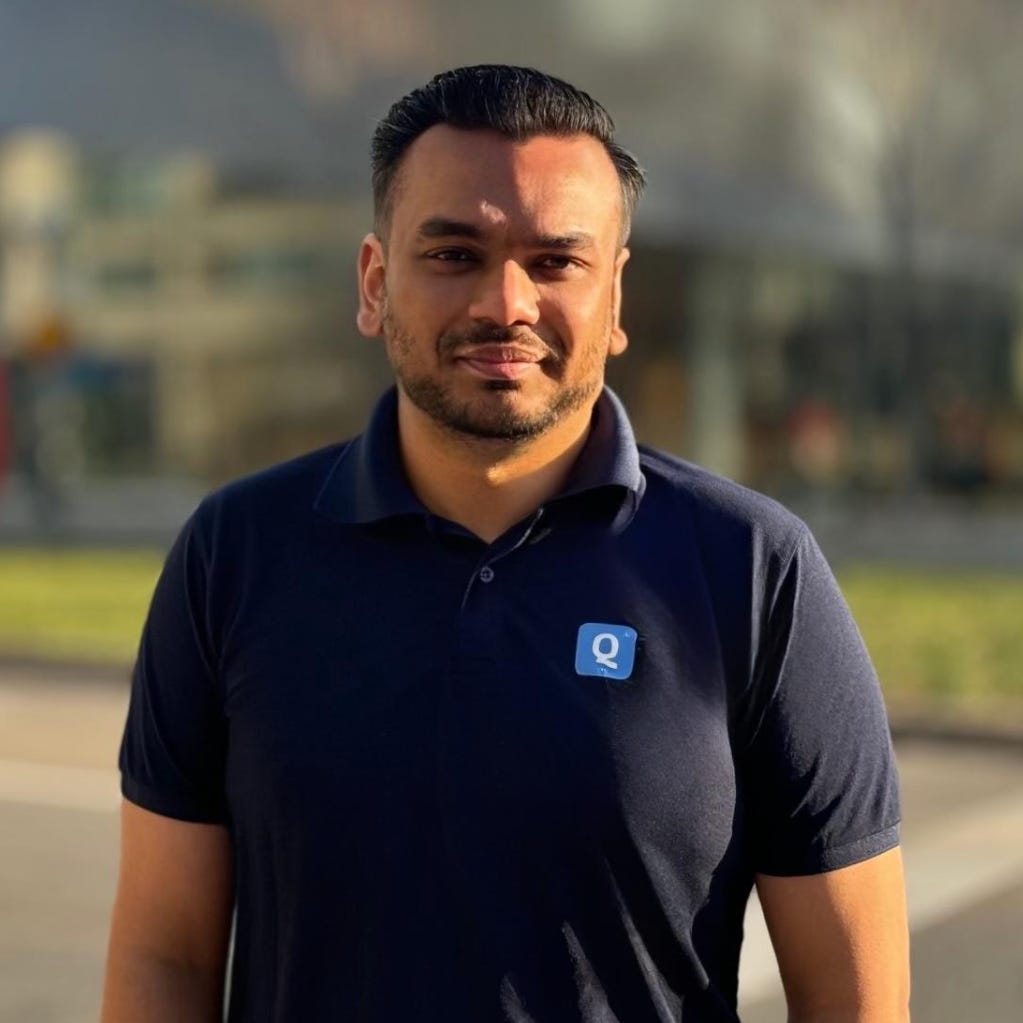
I’m not sorry for taking the long way instead of taking shortcuts.
Three winning principles
01
Stay in long enough and you figure it out.
Most people don’t fail because they lack ability. They stop too early. I learned by staying in, repeating the work, and letting things become clear over time.
02
Do the work no one sees.
The real work is quiet. It’s the hard conversations and small improvements that never get attention. That’s what actually builds the business.
03
Stay uncomfortable. That’s where growth is.
If things feel easy for too long, you’re probably not pushing yourself. Growth usually shows up as uncertainty, pressure, or friction. Over time, you learn to trust that feeling instead of avoiding it.
One thing to takeaway
There’s a long stretch in the middle where progress feels slow and unclear. That’s where most people stop. If you can stay steady in that phase and get comfortable being uncomfortable, things start to compound. Over time, what felt uncertain becomes something real.
Nasib is the Founder and CEO of Quantigo AI, a global leader in high-precision training data for machine learning. He began his career as the first employee at Ecopia AI, where he helped scale the company into a geospatial data powerhouse before launching Quantigo in 2017. Today, Nasib leads a global team that bridges the gap between raw data and model performance, providing the human-in-the-loop validation that top-tier AI companies—from Silicon Valley to Toronto—use to ensure their models are accurate, ethical, and ready for production.
Neil Cawse
Founder and CEO of Geotab. Built to $1B+ revenue without outside capital.

I’m not sorry for ruthless transparency.
Being honest is not the same as being cruel. It means being straight with people early, while there is still time to help them get better. If someone is doing the wrong thing and you avoid the uncomfortable conversation, you are not protecting them. You are letting the problem grow until it becomes much harder to fix.
Three winning principles
01
Do the right thing for the long run.
Never compromise on what matters long term: your customers, your people, your family, your health, or your technology. Do not take the quick buck. Do not take the shortcut. Build for the long run as much as you can.
02
Check your ego at the door.
The worst, most powerful evil is to believe that you are somehow special, that you’re always right, or that you can’t be questioned. The more successful you become, the easier it is to fall into this trap. The more successful Geotab becomes, and the bigger we grow, the more important it is for me to keep reminding myself of this point. Surround yourself with people who can tell you the truth, and listen when they do.
03
Measure, reflect, and improve.
You cannot manage what you do not measure. Build feedback loops into everything: your work, your company, your relationships, your health. Look at what is happening, understand it, change the input, and measure again.
One thing to takeaway
Take more smart risks. If I can do this, I promise you can too. If you have ever thought about starting a company or doing something unique, now is the time. Seize the moment. Go do it, and I promise you, you and the world will be a better place because of it.

Neil is the Founder and CEO of Geotab, a company he started in 2000 and built into a global powerhouse with over $1B in revenue. An electrical engineer by training (University of the Witwatersrand), Neil grew the business for two decades without outside funding, transforming it into an industry leader that now serves customers on every continent.
Neil Vidyarthi
Co-founder of Feel Good Interactive. Building AI that transforms passive screen time into active storytelling.
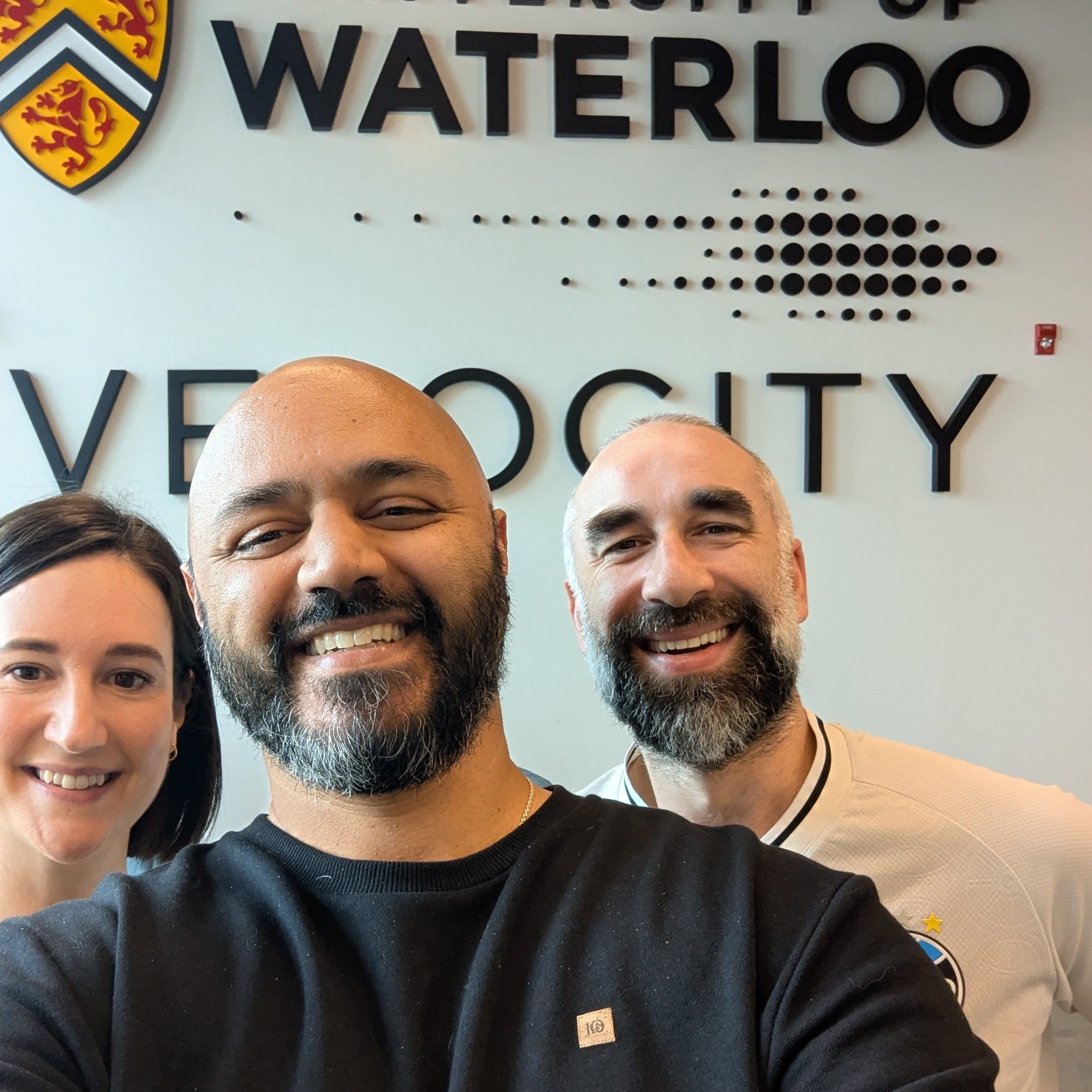
I’m not sorry for rational optimism.
Three winning principles
01
Gratitude is empowering.
02
You can control the shot, but can’t control the outcome.
03
We have SO much more in common than not.
One thing to takeaway
Your first idea is a hypothesis, not a thesis. Test it with real users. Iterate every week until it becomes one.

Neil is the Co-founder and CEO of Feel Good Interactive, the studio behind Little Magic Stories. A consumer tech veteran who has scaled platforms for millions at EA Mobile, Dapper Labs (NBA Top Shot), and Todoist, he is now applying that high-growth expertise to the future of childhood development. Based in Waterloo, Neil is building an “AI-native” library where children are no longer passive viewers, but active protagonists who shape their own literary adventures through real-time generative technology.
Nivit Kochhar
Founder of Supercharged Studio and Nomad Wildheart. Building design and gear for the global remote workforce.
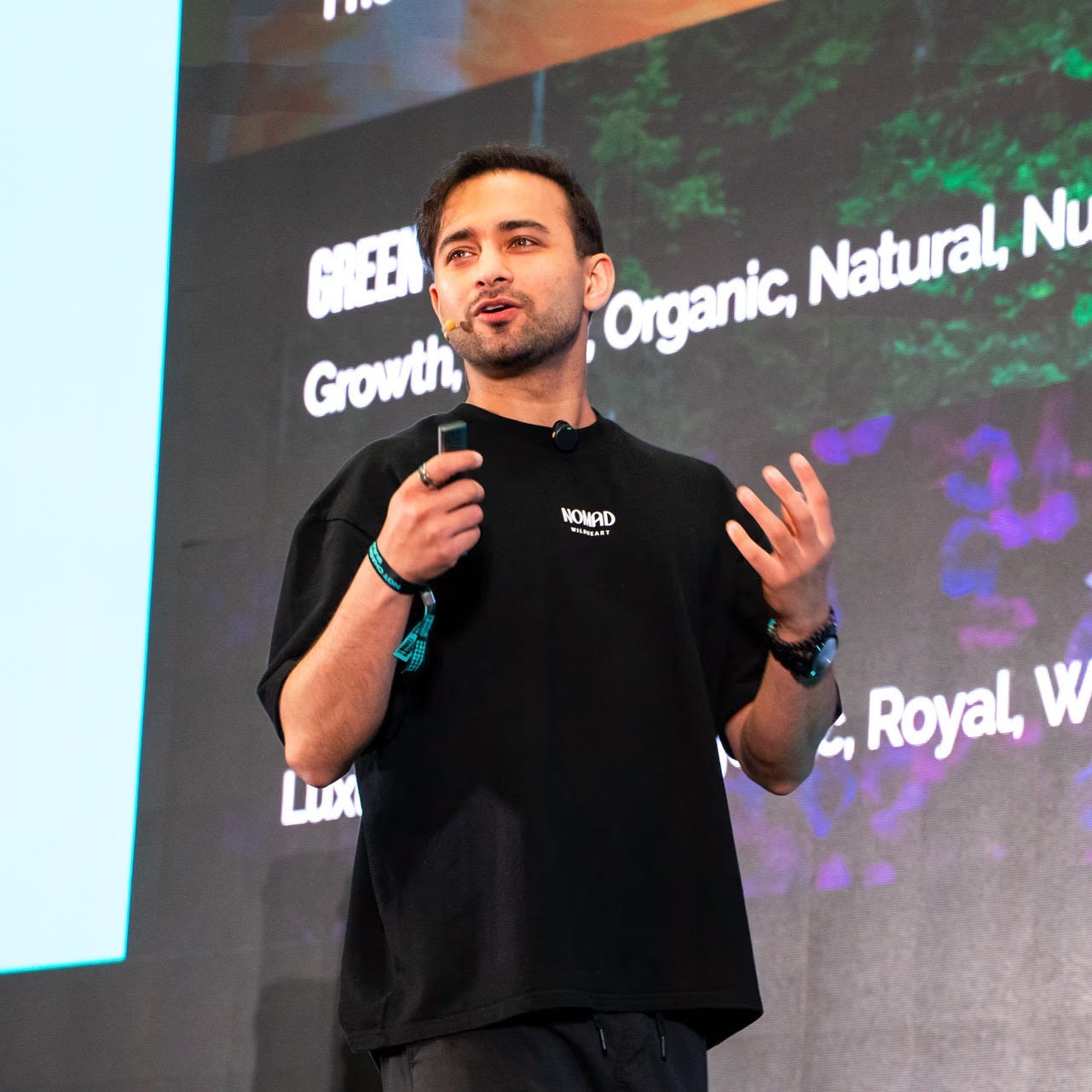
I’m not sorry for thinking life should be designed, not defaulted.
Three winning principles
01
If it’s scary and exciting but also feels right, the answer is always ‘yes’.
Most of the best things in my life came from decisions that were uncomfortable at the time such as moving countries, starting businesses, travelling alone, speaking to people I didn’t know, taking opportunities before I felt ready. Fear usually means you’re about to grow. Excitement means you actually want it. When both are there, it’s usually a sign you should go for it.
02
Live a life that’ll make your 8 year-old self and your 80 year-old self happy.
I try to live in a way where my younger self would think my life is exciting and my older self would think my life was meaningful. At the end of life, you don’t regret the things you tried, you regret the things you didn’t do. I want to be able to look back and honestly say I minimised the number of times I said, “I wish I did that.”
03
The journey is better than the destination.
Goals are important, but the day-to-day process of building, learning, travelling, meeting people, and growing is actually the best part. If you only live for the big milestones, you miss most of life. I try to enjoy the process: building companies, improving my craft, exploring new places, and becoming a little better every year.
One thing to takeaway
I moved to Canada as an immigrant, and it gave me stability, opportunity, and a place where I could safely take risks and build something of my own. I used that foundation to build a global life and global businesses. My takeaway is simple: if you’re given an opportunity, use it fully. Don’t just be comfortable. Build something, explore, and create a life you’re proud of.

Nivit is the Founder of Supercharged Studio and Nomad Wildheart, a travel-inspired apparel brand launched in early 2025. A specialist in the intersection of design, cognition, and AI, he has led high-stakes projects for Rakuten and Tony Robbins, helping startups raise over $40M through strategic brand identities. Now a fixture in the global nomad community, he draws on years of working remote-first to build products, digital and physical, for the next generation of borderless entrepreneurs.
Nomaan Ahmed
Founder of Orbits. Building the AI-powered operating system for the modern household.

I’m not sorry for pulling up a chair.
Three winning principles
01
Stay uncomfortable.
I’ve always measured myself against who I’ll be in five years. If future me isn’t impressed by the distance I’ve covered, I haven’t pushed hard enough. I went from pension plans and executive assistants to splitting the cost of a domain name with my cofounder. If I was optimizing for comfort, I would’ve been satisfied a long time ago. I optimize for impact, and impact isn’t comfortable.
02
Nothing is off the table. Not even you.
Growing up named “Nomaan”, you learn pretty quick that nobody ‘s saving you a seat at the table. But nobody tells you that you can pull up your own chair - so I did. Knock on every door, have every conversation. Genuine connection will open doors that no resume or pedigree ever could. That’ s how I approach building a business, and it’s how I approach everything else.
03
Never stop learning. Ever.
Be a sponge. Every person you meet knows something you don’t. The moment you think you’ve figured it out is the moment you stop growing. Stay curious, keep absorbing, and never convince yourself you’ve arrived.
One thing to takeaway
The leap doesn’t get easier the longer you think about it, it gets harder. But conviction is contagious, and people can tell when you mean it. If you’re waiting for permission, it’s time to pull up a chair - don’t be sorry, there’s room.

Nomaan is the Founder of Orbits, an AI-powered assistant designed to automate the “mental load” of running a home. He recently left his role as Director of Engineering at Super.com—where he led the technical scaling of the all-in-one savings platform—to focus entirely on solving the complex logistics of family life. With a background at Mastercard and a track record of scaling teams from early-stage startups to Fortune 500 giants, Nomaan is now applying high-velocity engineering principles to the home, building Orbits to put schedules, maintenance, and family coordination on autopilot.
Rob Khazzam
Co-founder and CEO of Float. Building intelligent spend management software for Canadian businesses.
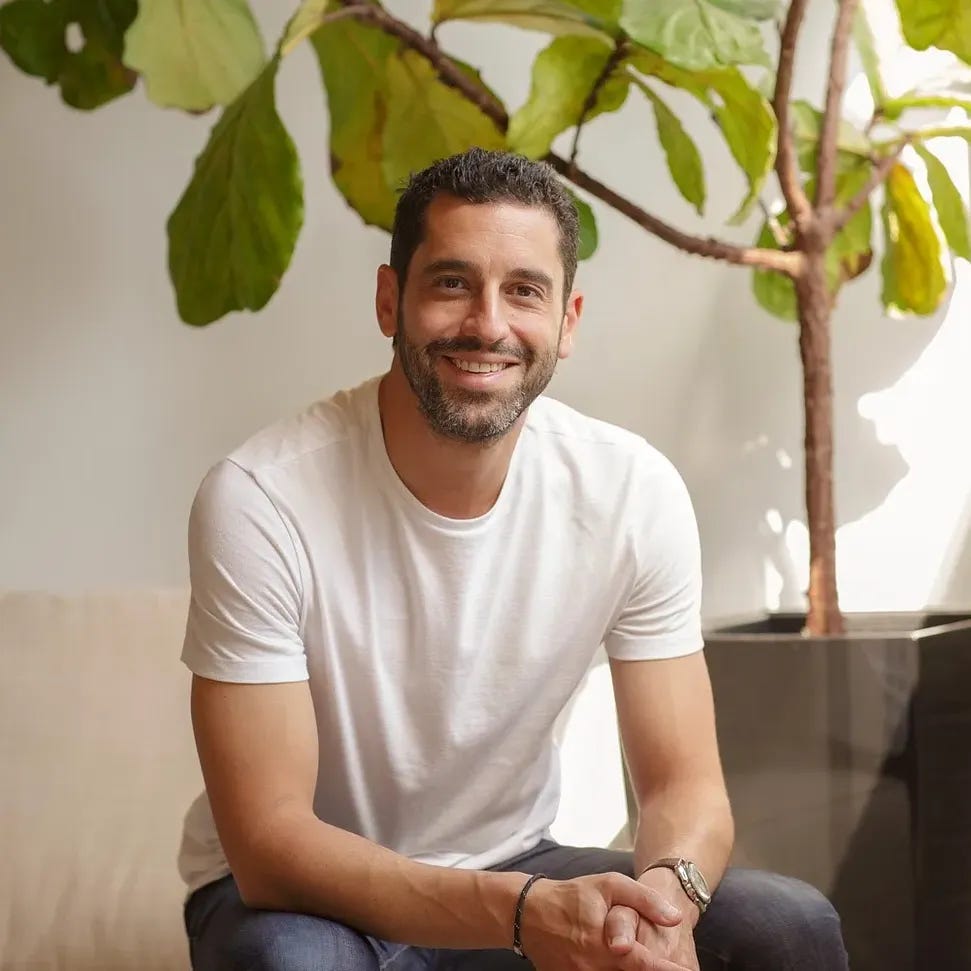
I’m not sorry for having high expectations for Canada or insisting we unleash our >1M SMBs’ full potential.
Three winning principles
01
Where there’s a will, there’s a way.
Most things that look impossible are just unsolved.
The job of a founder is to refuse the default constraints and keep pushing until a path forward is found.
Resourcefulness beats resources almost every time.
02
Winning is a conscious choice.
You will encounter failure constantly; it is inevitable in life and your career.
What matters is whether you learn fast, adjust, and keep going.
The people and teams that ultimately win are the ones that simply refuse to stop.
03
Courage is rare, bet on yourself.
Intelligence is abundant. Courage is not.
The willingness to take risks, speak plainly, and pursue ambitious ideas when others doubt you is what creates progress in the world.
One thing to takeaway
Stop being passive and go build something. The world is not built by people who are smarter than everyone else, it is built by people who take action. If you care about Canada’s future, start something and keep going.
Rob is the Co-Founder and CEO of Float, one of Canada’s fastest-growing fintech companies. Float combines corporate cards with spend management software to help businesses control expenses and automate financial operations. He previously spent over five years at Uber, leading international expansion across Eastern Europe and serving as General Manager in Canada. A CFA charterholder and Ivey Business School graduate, Rob is building financial tools designed specifically for Canadian teams.
Robert Ciborowski
Co-founder and CEO of Chatforce. Building an AI game studio for viral creations.

I’m not sorry for building something for people like me.
Three winning principles
01
The embarrassing thing is usually the right thing.
Every time I’ve felt most self-conscious about a decision, it turned out to be the right one. Tinkering with startup ideas in a community centre while all our friends had jobs at prestigious companies. Being “gamer founders” when everyone around us was building enterprise SaaS. Presenting our barely-functioning prototype in front of 200 people, only for it to attract our lead investor. The pattern held every time: if it made me cringe, it was worth doing.
02
Give your silly ideas a chance.
The ideas that feel like a waste of time can be your best bets. When we finished the first version of Chatforce, I spent two weeks using it to build Grand Theft Toronto, a meme game where you deliver Tim Hortons orders while dodging carjackers. It got us into the news and was the first Chatforce game to go viral.
03
Make friends along the way.
Building a company will pull you away from old friendships. Don’t let that make you lonely. Go to events, get to know people properly, and befriend the ones you connect with. Having even a few friends with your level of ambition makes the pursuit of your dreams so much easier.
One thing to takeaway
We spent a year chasing “smart” B2B ideas before realizing the truth: you’ll do your best work when you stop trying to look like a founder and just act like yourself.

Robert is the Co-founder and CEO of Chatforce, an AI-powered studio where autonomous agents build and monetize viral video games. A University of Toronto Computer Science alumnus, he skipped the traditional corporate track to launch the company straight out of school. Backed by $2.1M in pre-seed funding, Robert is now leading a platform where AI agents collaborate to turn imagination into playable hits, like the viral Grand Theft Toronto.
Sachin Arora
CEO of Maple. Building the e-commerce engine for Canada’s legacy retail brands.

I’m not sorry for refusing to let Canada be anything less than excellent.
Three winning principles
01
Everyone is an entrepreneur — and I mean that.
Not in the “build the next billion-dollar startup” way. I’m talking about the willingness to take a risk, try something new, push for change, and actually give a damn about the outcome. That instinct doesn’t belong to founders. It belongs to anyone who decides to bring it. I think everyone should feel that way about something in their life — and I’m drawn to people who do.
02
Canada is not an afterthought.
It’s one of the most diverse, interesting, and budding markets in the world. Brands that get this have a unique opportunity — to test products across essentially every demographic, scale in an affluent and growing country, and build something real. This isn’t a stepping stone to the US. The brands we work with know this. The rest of the world should too.
03
Being competitive is good. Stop apologizing for it.
There’s a quiet discomfort in Canada with actually wanting to win — and I’ve never understood it. Wanting to be the best, for your clients, your team, the work itself — that raises everyone’s game. I’m not interested in second place, and I don’t think you should be either.
One thing to takeaway
Canada has everything it needs to win globally — talent, diversity, market strength. Now we just need to act like it.

Sachin is the CEO of Maple, a company that manages the online operations for some of Canada’s most established retail brands. An alumnus of the Smith School of Business at Queen’s University, he is a veteran e-commerce operator who specializes in building the digital storefronts and logistics networks traditional retailers need to compete. Under his leadership, Maple acts as the dedicated online arm for iconic labels, handling their technology, growth, and fulfillment from end to end.
Sam Anderson
Co-founder of CarbonGraph. Automating carbon tracking for global supply chains.

I’m not sorry for believing climate change matters and that business models can change to address it.
Three winning principles
01
See the good in people.
Deep down, almost everyone is a fundamentally good person. We all want to make the world a better place, but most of us don’t have the time, energy, or know-how to diverge from the crowd in all but a few aspects of our lives. The most impactful innovations are those that make it as easy as possible for people to do the right thing, like a plant-based burger so good a carnivore can’t resist it, a transit system so fast you’d be a fool to hop on the highway, or a local business that is both a great employer and the best product on the market. If you strive to make doing the right thing easy, people will rally behind it.
02
No one is an expert in everything.
Building something big means figuring out how to ask for help or advice from people smarter than you in almost every aspect of the project. If you’re the linchpin in most areas of the venture, that’s a bottleneck; not an asset. A strong leader has a few core competencies related to their field but is first and foremost a humble, empathetic, and inspirational communicator who can leverage the passion of others into something bigger than the sum of its parts.
03
Do it for our grandparents.
Our grandparents cared immensely about the world they built for us and we owe it to our grandchildren to do the same. Success means enjoying the great things life has to offer and ensuring they’ll still be around in some form for others to enjoy after we’re gone. Growth and innovation are valuable, but a stable and peaceful society with abundant resources and a healthy natural world has been achieved many times in the past, is largely intact today, and is more than enough to leave for tomorrow.
One thing to takeaway
Canadian values don’t come free. I’ve been blessed to live, work, and travel in over 50 countries, and I still choose Canada to come home to. You might make more money south of the border, but we have immense social capital here. Our bonds are strong, including between people and cultures who’ve been here for centuries (like my Dad’s family) and new immigrants (like my Mother’s). We need to nurture and maintain our belief in Canadian democracy, economy, social fabric, and nature. Let’s not take it for granted.

Sam is the Co-founder of CarbonGraph, a platform that automates carbon footprint tracking for complex products and supply chains. An engineer and data scientist by training (Queen’s University), he previously worked at Hatch, leading emission reduction projects for major mining companies across 12 countries. Sam is now applying that deep industrial expertise to build the data infrastructure required for businesses to reach net-zero targets.
Samim Safaei
Co-founder and CEO of siift.ai. Building AI tools to de-risk entrepreneurship.
I’m not sorry for being a stubborn founder.
Three winning principles
01
Stay honest.
Honesty is a dying skill; it’s not about filtering what you say but rather facing reality and maintaining integrity - especially as a business owner. Don’t let “story-telling” replace trust as your primary currency, you won’t last long. How does this help you win? Most lies are told to ourselves... Think twice about where to play, how you show up and what you offer. It’s not black & white, but even greyscale takes calibration.
02
Commit to growth.
If you don’t consistently believe in yourself and keep trying to improve, chances are others won’t either. A “growth mindset” isn’t showing off, it’s about relentlessly improving yourself through self-awareness and self-love. How does this help you win? Your vision of success probably requires you to become a different, better version of yourself... someone who’s put themselves out there, failed & tried again 1000x.
03
Focus on empathy.
Being a student of human behavior and understanding people can be a superpower for entrepreneurs - IF they turn off their criticisms and zoom in on individuals and emotions, things don’t have to make sense. How does this help you win? As AI automates technical work and floods everything, what will stand out is what makes you feel human connection, your identity, values, background, taste, brand... society is at the verge of redefining what it means to be human - keep up.
One thing to takeaway
The next generation of Founders have a growing responsibility to build the right things - but don’t rush. Take your time to understand yourself & the world around you; as AI removes technical barriers & the world is desperate for change, the only differentiator is who you are.

Samim is the Co-founder and CEO of siift.ai, his fifth startup venture. He recently left his role leading Generative AI product strategy at TELUS Business Solutions to focus entirely on building “The New Business OS”, an Agentic AI platform designed to help early-stage entrepreneurs validate and scale their ideas. An engineer by training with a history of building Deeptech in Music, IoT and fire safety, Samim is now pointing his AI product experience at what actually stalls new founders: no clarity on the next step, and no guidance they can reach.
Sarah Bartnicka
Founder of Milk Bag. Building independent business media for the Canadian market.

I’m not sorry for betting on newsletters before anyone thought they could be a real business.
Three winning principles
01
Work harder than anyone else.
Working hard doesn’t guarantee results, but when you’re starting out in your career or with a new idea, you can come out ahead of people who are smarter, more talented, or better connected than you with more effort. I spent a year convincing the company that gave me my first break to hire me. I see people give up so fast, and in moments that could change everything for them.
02
Hold yourself to a high standard.
Everywhere I look, standards are slipping and ‘good enough’ has become the default, so people who obsess over details stand out immediately. It is exceptionally difficult to do this when nobody is asking it of you, and even harder when you’re told to dial it back. To me there’s no alternative, and if you hold firm you’ll eventually land with people who care as much as you do.
03
Identify a mission that lights you up.
When the work means something to you, everything else is easier: the early mornings, the hard conversations, the moments where nothing is going right. I’ve also seen it affect the way I show up with others: I’m more curious, present, and generous with my resources and time. You can’t fake that energy and I find it reinforces whatever it is you’re working on.
One thing to takeaway
Care about what you do, and do the best you can.

Sarah is the founder of Milk Bag and the former founding editor of The Peak, which she helped build into Canada’s most-read daily business newsletter. A writer and editor with work in The Globe and Mail and BetaKit, she has spent her career defining the modern voice of business reporting. Now based in Toronto, she is taking what she learned building a newsletter to national scale and setting a new bar for independent business storytelling.
Shiva Bhardwaj
Founder and CEO of Pitstop. Predicting vehicle failure with 94% accuracy.

I’m not sorry for choosing discipline over hype and capital.
Three winning principles
01
Architecture beats headcount.
You don’t need many engineers. You need the right system design and the discipline to say no to everything that doesn’t compound. A small team with leverage will outrun a big team without it. This is obvious today in an AI-first world. Five years ago, I was the “fool” going against the grain.
02
Stay in the room longer than everyone else.
If your vision for the world is an inevitable future, it’s your job to make it reality. You don’t control timing, but you control outcomes. The founders who win are the ones still standing no matter the market wave.
03
Build for your customer, but most importantly build for the future.
Take the customer and market on a journey to the future of their job. Inspire them. That’s harder and littered with more mistakes, but way more fulfilling. This mindset has allowed me to build a truly innovative company in an industrial field like fleet and vehicle maintenance, not just a transactional one.
One thing to takeaway
Be a cockroach. Thrive in any environment, at all costs. Survival breeds success.
Shiva is the Founder and CEO of Pitstop, an AI-powered platform that predicts vehicle failures before they occur. An electrical and computer engineer (University of Waterloo), he spent time at NVIDIA and BlackBerry before launching the company in 2015. Inspired by his childhood in his father’s repair shop, Shiva built Pitstop into a leader in fleet intelligence—culminating in its acquisition by Fullbay in 2026. He has been recognized as the Vaughan Entrepreneur of the Year and a SEMA 35 Under 35 leader.
Sruti Pujari
Founder and CEO of Feel Your Best. Building an integrative mental wellbeing platform.
I’m not sorry for refusing to accept that suffering is permanent.
Three winning principles
01
Know your why, and know it well.
There is a real difference between understanding something intellectually and knowing it in your bones. My 20 years of battle with depression and anxiety is not incidental to what I am building. It is the whole reason behind why I’m building a mental health company. And on days when doubt creeps in, I come back to the same question: why did I start this in the first place? That answer has never changed. Knowing your why with that kind of clarity is not a nice-to-have. It is the only thing that keeps you honest when everything else gets loud.
02
When you can’t run, walk. When you can’t walk, crawl.
Entrepreneurship is a marathon. There will be years before your effort compounds into anything visible. Hurdles are not a bug in this journey - they’re a feature. The pace will change. Some stretches you run. Others you walk. Occasionally, you crawl. None of that is failure. And I want to be clear: I am not saying that hoping for success is a strategy. I am saying that stopping is the only option that is truly off the table. Forward motion, at whatever speed you can manage on a given day, is the whole game.
03
Customers over investors. ALWAYS.
Never cut corners on customer experience to please a cap table. The customer is the business. Everything else is a means to serve them. I don’t just preach this. I have returned investor money because I could see, clearly enough, that the vision I was building towards would not survive the criteria being placed on it. That was not an easy call. But getting that agency back has been one of the most empowering things I have done in this journey.
One thing to takeaway
You cannot outperform a broken inner world. You can optimize your calendar, habits, and productivity systems—but if the foundation is fractured, the ceiling stays put. Everything flows downstream from the world you carry inside.

Sruti is the Founder and CEO of Feel Your Best (FYB), a mental wellbeing platform focused on integrative and holistic health. A graduate of IIM Lucknow (PGDM) with a professional background at TD Bank and HDFC Bank, she is putting that training in strategy and operations to work on mental wellbeing. Now based in Toronto, she is scaling FYB to sit between traditional mental health care and something people will actually use every day.
Stephen Szeto
Physician at North East Medical Services. Specializing in physical medicine and medical device innovation.

I’m not sorry for choosing fun.
Three winning principles
01
I like to think of my life as a story in a book.
When I eventually go back and read mine, I hope it’s interesting. In life, there are always options. I tend to choose paths that feel unique and uncharted. It makes for a better story.
02
Ball is life. Literally.
For those who know me, there’s no greater escape than a basketball and a hoop. Finding something that keeps me grounded through life’s everyday pressures has been an irreplaceable blessing, one I hope everyone can find for themselves.
03
Be curious about your limits.
Knowledge falls into three disproportionate buckets: what we know, what we don’t know, and (by far the largest) what we don’t know we don’t know. Curiosity is what allows us to grow into that last, unknown space, and it’s often where the most interesting opportunities come from.
One thing to takeaway
By choosing to act on interesting opportunities, I’ve found myself working alongside incredible partners, Matthew Kauffman MD, and William Wulftange PhD, on a mission to solve one of healthcare’s most persistent and growing challenges: falls, the leading cause of injury-related deaths among older adults in North America. Being part of a team using a first-of-its-kind approach to this problem has been one of the most meaningful (and fun) journeys of my life.

Stephen is a physician at North East Medical Services specializing in physical medicine and rehabilitation. A Stanford Biodesign Fellow trained at the University of Toronto and Stanford, he focuses on treating musculoskeletal injuries through ultrasound-guided procedures and electrodiagnostics. He combines his clinical practice with a background in medical device innovation to advance patient recovery and functional independence in the San Francisco Bay Area.
Tal Schwartz
Co-founder of North Exit Ventures. Driving capital and conversation across Canadian fintech.

I’m not sorry for treating almost everything in life like starting a business.
Three winning principles
01
Start before you feel ready.
Clarity usually comes from doing, not from thinking about doing.
02
Take ownership early.
Most things improve quickly when someone decides they are responsible for the outcome.
03
Distribution matters more than the product.
It is not enough to build something good if no one sees it.
One thing to takeaway
Linear careers are overhyped.

Tal is a General Partner at North Exit Ventures and the author of the Canadian Fintech Newsletter, one of the industry’s most widely read publications. He founded Lenders API, which he sold to Trust Science, and established the Canadian Lenders Association, scaling it into the country’s largest financial services trade group. He knows Canadian financial regulation and how the market moves, and he uses the newsletter to walk early-stage founders through what building and scaling inside it actually takes.
Tim Lichti
Co-founder and CEO of Swap Robotics. Scaling solar energy through autonomous robot fleets.
I’m not sorry for having an outrageous mission to 10x the clean energy industry.
Three winning principles
01
The Paradox of Ambition: Why Audacious Goals Are Easier to Hit.
Choosing an “outrageously ambitious” mission is actually a shortcut to success. Realistic goals are boring; meaning-driven moonshots—like Swap Robotics’ mission to 10x clean energy—act as a magnet for world-class talent. When your vision is massive, you can recruit the wildly ambitious people that a cash-strapped startup normally couldn’t afford. Plus, if the mission creates genuine social value, you can’t lose: you either change the world or walk away proud that you gave it everything.
02
Identify “10x” Opportunities.
High-growth companies scale by tackling the two biggest problems their customers face. In a world of limited corporate focus, “nice-to-have” products struggle to close. If you want sales to become your superpower rather than your bottleneck, align your product with your customer’s top annual priority. Create a solution so radically better—at least 10x—that the transition becomes a mathematical necessity rather than a hard sell.
03
Master the Win-Win Architecture.
Sustainable growth is built on transactions where both sides thrive. Whether you’re negotiating with a supplier or hiring a new teammate, your goal should be to structure deals that maximize total value over time. Short-term wins at a partner’s expense are self-limiting; instead, develop the skill of identifying “aggregate gain.” If you consistently leave your partners in a stronger position, you’ll find that doors stay open and your reputation does the heavy lifting for you.
One thing to takeaway
“Your teeth are the best friends you’ve got, CJ. You take care of them, they’ll take care of you” -Sam Seaborn (Rob Lowe) in The West Wing.

Tim is the Co-Founder and CEO of Swap Robotics, where he is deploying autonomous robot fleets to scale North America’s solar infrastructure. A University of Waterloo alumnus and serial entrepreneur, he has a proven track record of building four separate ventures from scratch, earning recognition as one of the Globe and Mail’s Top 12 Innovators. Tim is now bridging the gap between heavy operations and climate tech to solve the critical labor and emissions challenges facing the energy sector.
Tudor Lungu
Co-founder and CEO of Tofu. Building social discovery platforms to solve the global crisis of social isolation.

I’m not sorry for ignoring convention.
Three winning principles
01
The Will of an Olympian: Strength Through Failure.
You learn more from failure than from success. I spent a big part of my life swimming, training up to four hours a day with the Olympics as my goal, until a sudden allergy forced me to stop overnight. Rather than lamenting it, I didn’t quit; I pivoted. I poured that same resilience into building software solutions for problems. After years of making apps, I launched a gamified social platform in Toronto at the height of COVID. I bootstrapped it to 7-figure profitability and scaled it to over half a million annual members. An obstacle isn’t just in the way; it can show you the way. The only real failure is not getting back up when things get you down.
02
The Heart of a Human: Build For People, Not Users.
Nowadays, what can be easily lost is the courage to be vulnerable and stay human. I try to build things that actually matter in real life, not just capture attention and “shareholder value”. Currently I am developing an “offline social media” and researching social innovation at Keio in Japan. Don’t lose yourself chasing metrics that don’t feed the soul.
03
The Passion of an Inventor.
Refuse Default Constraints Being atypical isn’t a weakness; it’s leverage. Growing up in Canada, with its cultural mosaic, I learned that diversity is strength. As the youngest admit to the hyper-global INSEAD MBA, instead of feeling isolated, I leaned into my different perspective. Take ownership of your “lucky differences”; build upon them brick by brick. When you stop trying to conform to the norm, you can start creating something that actually matters.
One thing to takeaway
Stop being passive, eh. Go do something! Make a new, real connection with someone else; explore. Your story is being written anyway. You might as well hold the pen.

Tudor is the Co-Founder and CEO of Tofu, where he builds social discovery platforms designed to tackle the challenge of social isolation. A serial entrepreneur, he built a seven-figure business while an undergraduate at the London School of Economics and became the youngest MBA candidate in INSEAD’s history at 22. Now based in Ottawa, Tudor is applying a history of rapid execution to ventures like Up, an app created to help people find community and connection in the real world.
Will Hanna
Co-founder and COO of Miniswap. Building the global marketplace for the tabletop gaming community.
I’m not sorry for choosing what interested me over what was expected of me.
Three winning principles
01
See the world before you settle into it.
I grew up in North Toronto. It was all I knew, and I didn’t appreciate how small my slice was. Then I moved to France at 18 and everything I thought I understood about myself was challenged. Living in a foreign environment as a young person was a fast track to personal growth and maturation. The same thing was true when I moved to Quebec, Cambridge, London and now San Francisco. I am a Torontonian, Ontarian, Canadian but I am also much more than that. Exploring the world has given me the confidence to see myself beyond the boundaries of where I grew up, and the courage to venture into the unknown. If you’ve never lived somewhere that made you feel like a stranger, go. If not abroad, to another province. You can always come back. You’ll be better when you do.
02
Stay close to what engages you.
I studied philosophy because it kept me up at night. I dropped out of law school because it didn’t. I ran a painting company one summer and a tutoring business the next because I wanted to be my own boss. I started Miniswap with my best friend because the work absorbed us both completely. The through-line of my trajectory is not a career plan but a series of moments where I followed what fully engaged me and walked away from what didn’t, even when walking away was expensive. If something makes you lose track of time, take it seriously.
03
Don’t forget where you came from.
The older I get, the more I understand that relationships are everything. To friends, to family, and to the people who believed in you before you had anything to show for it. The people I’ve loved have shaped me more than any degree or job ever could. The people you choose to pay attention to and surround yourself by are the architecture of your life. Everything else is furniture. Canada shaped who I am, and the relationships I have there are the reason I know I will one day be back.
One thing to takeaway
Invest in your education, especially the one that happens outside the classroom.

Will is the Co-founder and COO of Miniswap. Backed by Y Combinator, Miniswap is building a more efficient marketplace for the global tabletop gaming community. He stepped away from law school to launch the company alongside co-founder Zak Singh, following a career as a strategic advisor to CEOs at Bridgewater Associates and Pfizer. An alumnus of McGill and Cambridge, Will is now applying high-level operational experience to solve the friction in the hobbyist market.
If you want the next thing I write, subscribe below.