


Hello friends,
We are in for a treat today!
I sat down with professional hockey player, Kristin O’Neill, a relentless two-way force and the kind of person who makes everyone around her better. This week, she got the call every small-town Ontario kid dreams about: Team Canada, Milan 2026 (watch the video; it’s top-shelf)! She’s doing it as the PWHL catches fire, with attendance up 52.5% year-over-year.
Not Sorry is for anyone who cares about winning the right way: whether you’re building a company, leading a team, or trying to become the person you said you’d be. Ambition spreads through story.
In the words of Tyrion Lannister (not Canadian, but gold):
“What unites people? Armies? Gold? Flags? No. It’s stories. There’s nothing in the world more powerful than a good story.”
Kristin’s story is one of those. Ambition that never quit.
So with that, onto winning.
I’m not sorry for never giving up on my dreams - Kristin O’Neill
“LET’S GO!”
Kristin O’Neill read the text on a plane home from her Hawaii vacation and had no idea what it meant. The text was from Micah Zandee-Hart, Kristin’s old Cornell co-captain and now the captain of the New York Sirens.
It was June 24, 2025: draft night. Kristin had texting Wi-Fi and nothing else, so news arrived in fragments from teammates: who got drafted, who got traded. Then the feed went dead. Long enough that she did what everyone does on a plane: blame the connection.
Then another message came through from Zandee-Hart:
“You have no idea how happy I am to be your teammate again.”
Kristin stared at it, confused. She still hadn’t heard anything official.
“Micah, what’s happening? I don’t know what you’re talking about.”
Zandee-Hart didn’t know that Kristin didn’t know. So a friend, trying to celebrate, broke the news mid-flight: you’ve been traded from Montreal to New York.
The follow-up came moments later: “I’m so sorry to be the one to tell you.”
It didn’t sink in until the wheels hit the tarmac in Montreal. That familiar thud, the cabin lights, people reaching for their bags.
Kristin was home. Except she wasn’t.
The Queen Elizabeth Way (QEW)
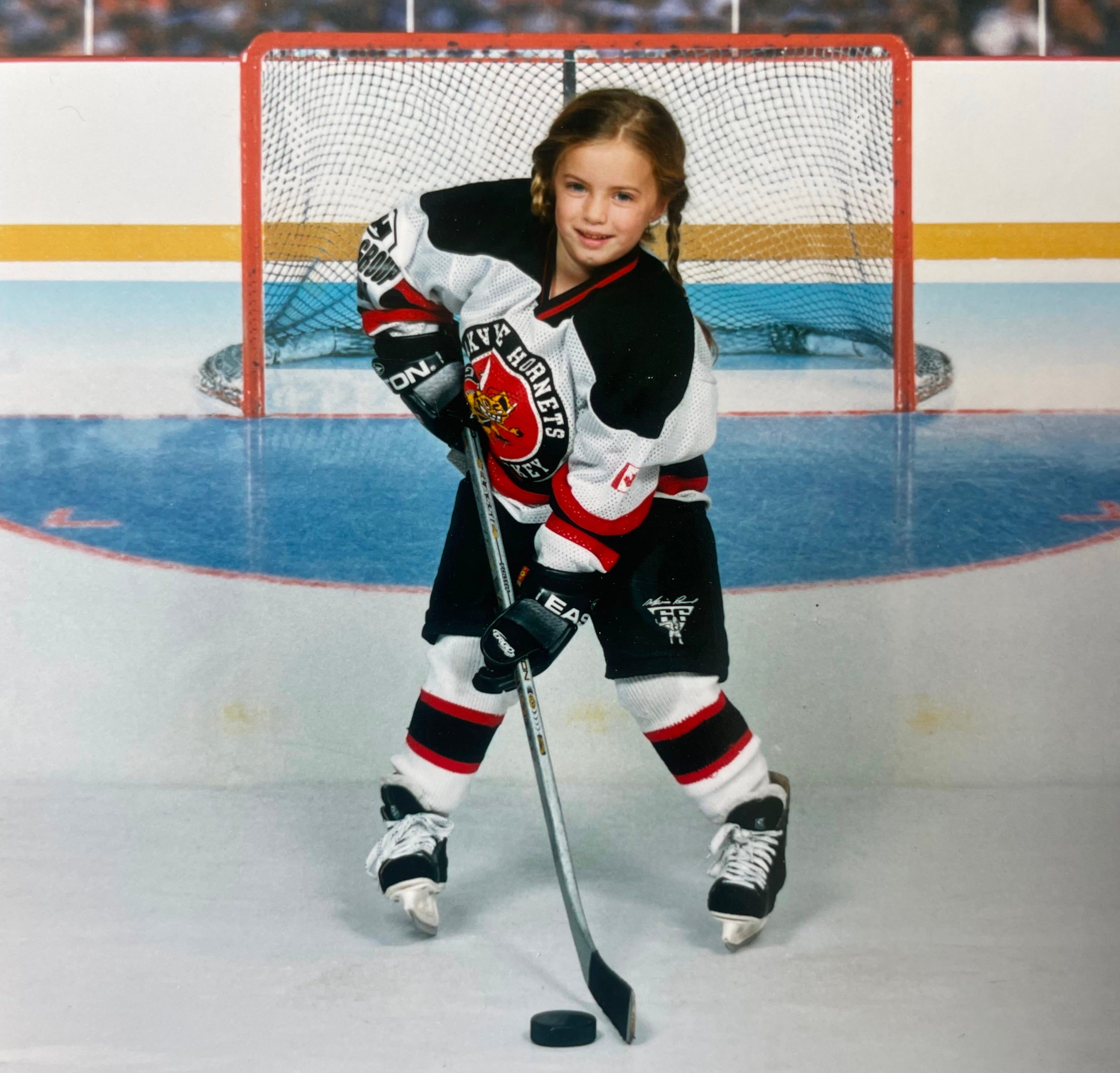
On Saturday mornings in Oakville, the O’Neill house ran on a familiar drill: four girls and four hockey bags, two parents loading the trunk until it finally shut and then opening it again because someone had forgotten their helmet. They would pile into the car and hit the road (QEW), with coffee in the cupholders, gear in the back, and a weekend that was already spoken for.
“My family and I basically spent our weekends at arenas,” Kristin told me. “It was tournaments, just back-to-back games. The volume was very high.”
At home, the dynamic was exactly what you would expect from four sisters packed into one orbit: It was chaotic. The middle two bickered, and the oldest led. Everyone followed her lead. Kristin, the youngest, observed.
She spent years seeing the game before she ever had to play it, sitting through her sisters’ shifts and learning what got rewarded and what didn’t. She learned the difference between effort and drifting and the difference between being in the play and being near it. Then she stepped onto the ice and surprised everyone, including her parents.
“When it came to hockey, I got on the ice and I knew,” she said. “My parents were like, ‘Where did this come from?’ But then you think about it, I’d just been quietly watching my sisters for years.”
The same pattern showed up outside the rink. Kristin remembers home videos of learning to ride a bike, her parents whispering behind the camera because the other girls hadn’t picked it up that fast. She had watched the wobble and the falls three times already. When it was her turn, she rode.
The weekends had their own small rituals. Tim Hortons, obviously. “Oh my gosh, Tim Hortons was definitely involved in a lot of my pregame…when I was a kid,” she said. She remembers the drive as fondly as the games: “Singing in the car…I have such good memories of singing in the car with my parents”.
And she remembers the kid moments, the ones that are not in any highlight reel but are in every childhood: The lobby, the vending machines, the bargaining. “I’d always ask for quarters, for the gumball machines,” she said.
Weekdays were the same discipline, only tighter. Practice before school. School. Cross-country or track. Hockey at night. Homework wherever it could fit. “It was just on repeat every single day,” she said. She loved it.

Summers used to break the pattern. “Every summer, I would go to my cottage all summer long,” Kristin said. It was a tennis town, so that is what people did, long days on the courts, variety for her body, space in her calendar.
Then hockey got more competitive and the summers got shorter. She started turning down other sports, started off-ice training, started making decisions based on where hockey could take her.
She was serious about track and field too, good enough for the Ontario championships, and she still missed them. “I remember the Ontario championships I had to miss because I had to do an SAT test to go to Cornell,” she said.
That day was a desk under fluorescent lights, filling in bubbles while her competitors ran. It was the unglamorous step that makes everything else possible. “In the moment, I was sad about it,” she said. “But at the end of the day, I would make that sacrifice again.”
Two Days From the Frozen Four
Cornell took that Oakville volume and turned it into consequence. Kristin arrived and immediately started deciding games, showing up at the exact moment a close night turns into a win. Over four years, she posted 145 points in 125 games, including 81 goals, and left with two records that reveal what mattered when it mattered most: 21 game-winning goals and 10 shorthanded goals.
Leadership followed early. Cornell named her a captain as a sophomore, only the third player in program history to get that letter so soon, and she carried it for three seasons. Rather than see captainship as a reward, she described it as a change in posture. “A switch was flipped,” Kristin told me.

By her senior year, Cornell was number one in the country at 28-2-3, the top seed heading into the NCAA tournament, just two days from its quarterfinal, the Frozen Four, when the season vanished. Kristin and her teammates had been hearing about COVID, but it still felt distant until NCAA basketball was canceled and everything else started falling in line behind it.
The team met and the coach confirmed what the players already knew. Practice was still on the schedule that day, and they went anyway, because nobody wanted their last moment together to be a meeting room. They skated, loosened up, stayed out a little longer than they needed to. At the end, they gathered at centre ice in one tight cluster, and the image that stayed with her was their coach standing alone, watching from a distance.
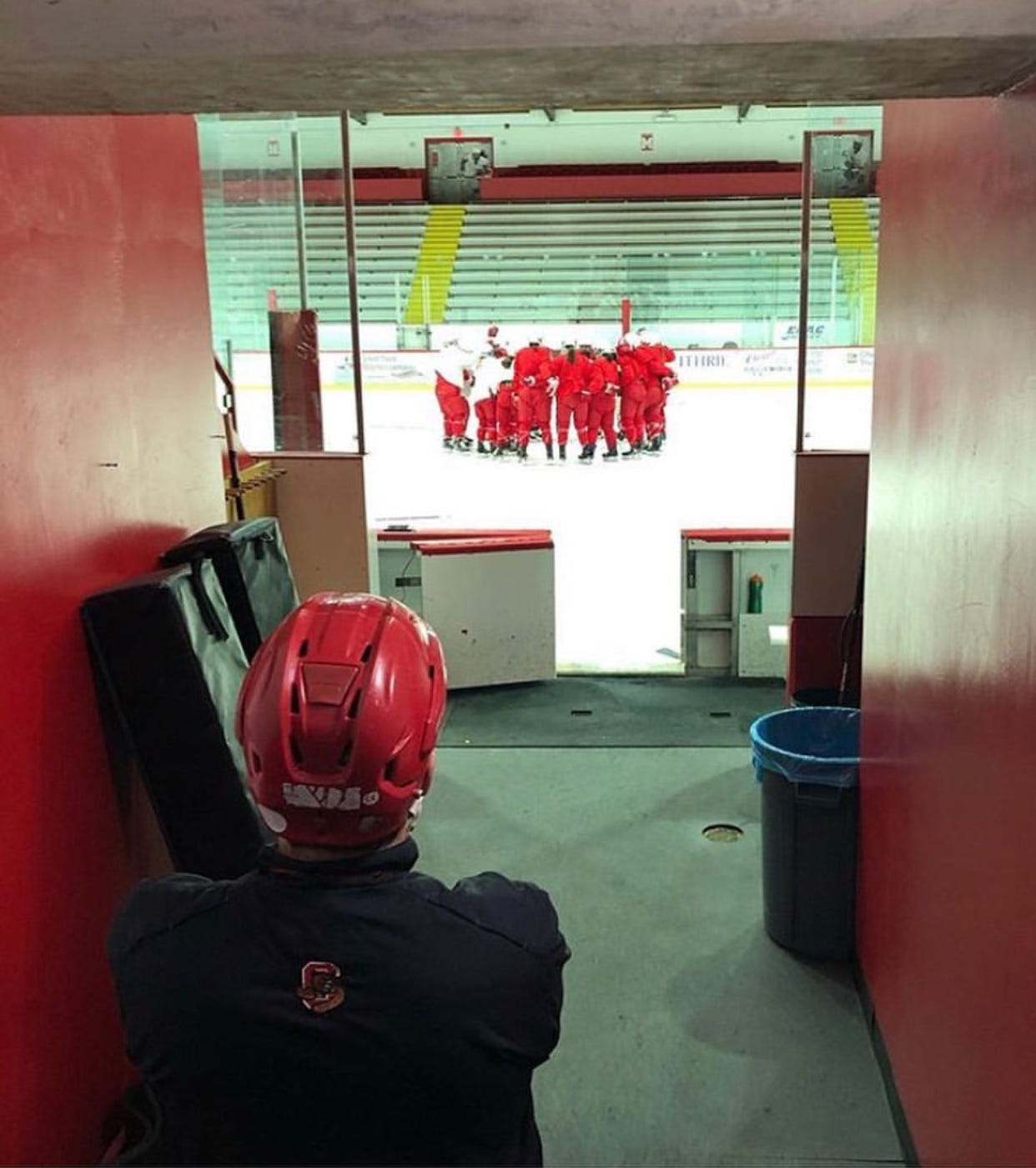
“It wasn’t a natural reaction,” she said. “But we were kind of just like, we might as well. This is the last time we’re all gonna be on this ice together.”
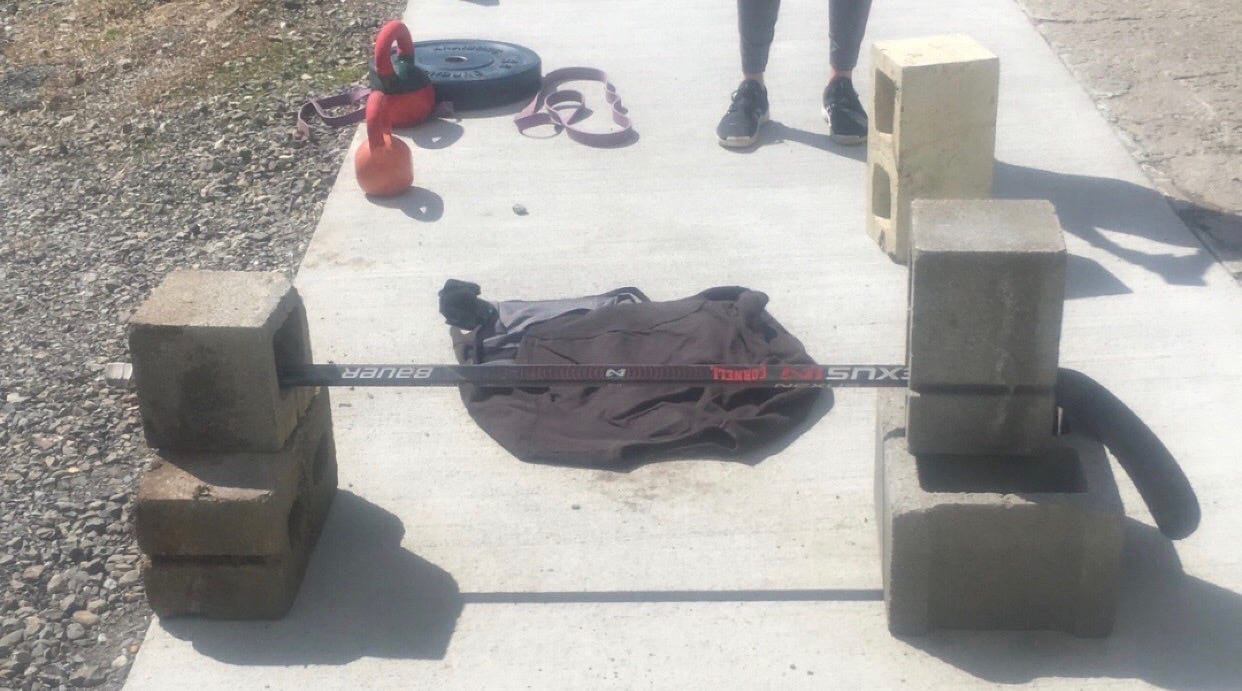
After that, campus emptied and training stopped looking like training. Kristin stayed at school when COVID first erupted and made do with whatever she could find. The clearest memory from that stretch sounds almost ridiculous, but it tells you everything you need to know about her.
“I think I was bench pressing with a broomstick and cement blocks on either side,” she said with a laugh.
200 Beats a Minute
It was September 18, 2023: draft night. Kristin was sitting with her parents in a room full of players doing their best impression of calm when she noticed she had a line of sight to the teleprompter. The announcer started the sentence, the league took its time with the pause, and she saw her name before the room heard it. She nudged her parents and felt the moment hit her body first.
“My heart just started racing 200 beats a minute,” Kristin said.
Then the announcement followed: “With the first pick in the second round of the inaugural PWHL Draft, Montreal is pleased to select….
Kristin O’Neill!”

She hugged her parents, walked to the stage, shook hands with the coach and the GM, and then got pulled backstage immediately into the part that makes it real. Cameras, lights, questions, a microphone in front of her before she had time to locate the feeling. “They ask you how you’re feeling even though you haven’t had a minute to process your feelings,” she said.
“I really wanted to go to Montreal,” Kristin told me later.
She came back out and sat down again, because the draft keeps moving and people you care about are still waiting. You learn quickly that your moment can be true while someone else’s is still pending.
The Bell Centre
At the Bell Centre, the first thing Kristin noticed was what she couldn’t do. She came off after a shift, sat down, and tried to use the usual bench rhythm to reset: the quick breath, the quick listen, the small cues that tell you when you’re up again. The fans had consumed all of it.

“It wasn’t until we played at the Bell Centre that I felt… the impact of this league had on people already”, she said. “You couldn’t even hear yourself think.”
During a whistle, Kristin looked up into the stands and registered who was there. Parents leaned forward during play the way they do when they know the next ten seconds matter. Phones came up for faceoffs and went down as soon as the puck moved. Kids pressed close to the glass with that serious, open-mouthed focus that makes you feel watched without feeling judged.
Then, Kristin noticed a detail that she says would have been rare when she was growing up. “You look into the crowd, and there’s not just girls, but little boys too,” she said. “It’s just so normal for these kids now to be watching women’s hockey”. When her line stood, she stood, and she went back over the boards into the noise.
At the dot, the ritual is automatic: tuck the jersey, spin the stick once, drop low. Lower than most players can comfortably get. Her 5’4” frame turns into an advantage, bringing her closer to where the puck will land. She finds her opponent’s eyes across the circle and waits. When the ref’s hand moves, she’s already won.
In the playoffs, the same city gave her a different test. On May 11, 2025, at Place Bell, Montreal played a game that began at 7 p.m. and kept going deep into overtime.
The game narrows in those stretches. You stop thinking in systems and start thinking in the smallest things you can control: one clean change, one faceoff, one shift without a mistake. The simplest plays become harder as legs fade and hands lose precision. What stayed with Kristin wasn’t the exhaustion or the overtime goals, but the ever-full stands. The game was the longest in PWHL history: “The 7 p.m. game that went to, I don’t know, 2 a.m.,” Kristin said. “Hardly anyone left.” Montreal won.
Once you play in buildings like that, first loud enough to erase your internal voice and then late enough to test everyone’s patience, the league stops feeling fragile. It also stops feeling sentimental, because the same machine that can fill a building and keep it full past midnight is the machine that makes business decisions the next morning.
Family Business
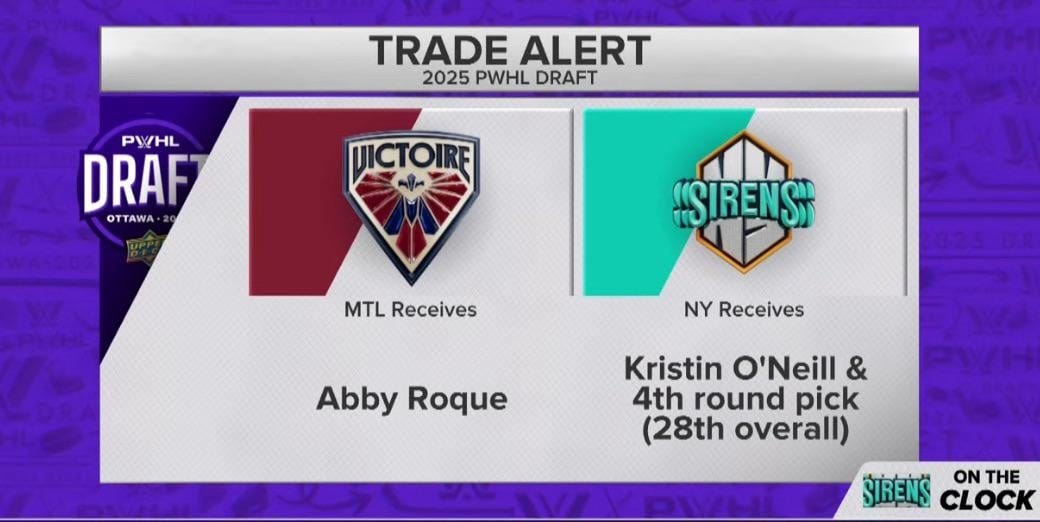
A couple days after Kristin learned she’d been traded on her flight home from Hawaii, the official call came.
“It definitely did hit me that you have to look at it more of a business,” Kristin said.
What Kristin was holding at the same time was the season she had just lived, because a team is not an abstract idea when you’re inside it; it’s the same room every day, the same faces at the same stalls, the same lift, the same bus, the same postgame meals, and the same losses that follow you into the next morning’s practice. That closeness produces its own language, because it has to.
“We are family, and we love each other, but also we are family playing for business,” Kristin said, reflecting on the contrast between those two ideas.
She didn’t argue with the premise. She named the trade-off, because the players had spent years pushing for a league that was real, and real leagues do not only bring crowds and standards; they bring decisions that can change your life.
“This is what we wanted…we wanted it to be professional like this”.
New York was where that professionalism showed up in her daily role. The Sirens were “definitely a more youthful team,” she said, and the youth changed her place in the room immediately.
“I’m showing other people the ropes,” she said, like back in her Cornell days. She was excited to be part of it.
Then, as she was settling into that new room, Team Canada called.
6:00 P.M.
Team Canada had booked Kristin for ten minutes on January 8, 2026, at 6 p.m., one of thirty calls scheduled back to back.
She’d known about this call for a week, and the days leading up to it had felt longer than any training block she could remember. That day, Kristin went to practice and tried to move slowly through the rest of the day so she wouldn’t spend the final hour sitting still and staring at a clock.
By the time the Team Canada call came, Kristin was at her dining table with her laptop open. Ryan, Kristin’s partner, was home, but she had banished him to the bedroom because she didn’t want an audience for whatever was about to happen.
At six, she clicked into the Zoom.
There was the loading screen, the brief lag, and then the grid of faces came into focus.
“All their faces were smiling, ear to ear,” she said.
She knew before anyone spoke. The relief arrived like a physical release, the kind that makes you exhale without meaning to, and she sat there trying to hold her posture steady while her mind ran ahead to the one fact that mattered.
Assistant coach, Kori Cheverie, said “Congratulations,” and after that Kristin remembers very little. “I think I kind of stopped listening after that,” she said.
Then the head coach, Troy Ryan, spoke, and his voice cracked.
He started tearing up while he talked, and the call changed. The emotion spread across the screen until it wasn’t just him crying. “Eventually everyone was crying,” she said, and then there was a pause where nobody could find the next sentence because everyone was sniffling and trying to pull themselves together.
When Kristin hung up, she walked straight to the bedroom, opened the door, and Ryan didn’t need an explanation. The couple shared a long embrace, and only then did Kristin start calling her family, adding person after person until the FaceTime thread turned into a small reunion.
Later, Kristin told me that she had rehearsed that exact sequence during workouts she hated, using it as a way to keep going when she didn’t want to, because she could picture the moment she would finally get to make those calls.
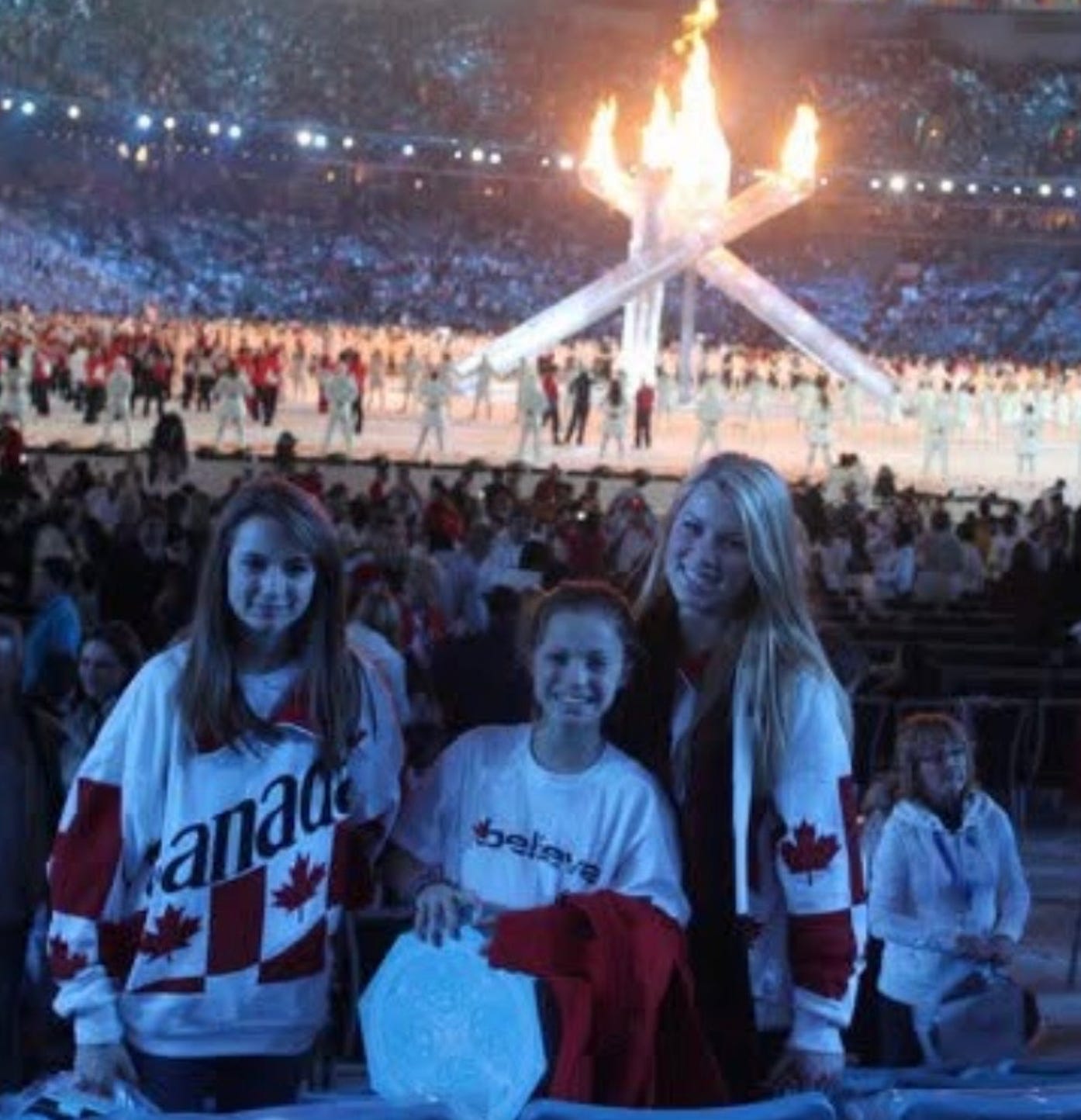
And call she did. That little girl from Oakville had made it.

Kristin’s Not Sorry
I’m not sorry for never giving up on my dreams.
Three winning principles I live by:
Kindness: make people feel heard and valued
Nothing big is built alone. Teammates, coaches, and mentors invest in you when they feel respected, not used. People forget the details, but they remember how you made them feel. Kindness builds trust, and trust is what holds teams together.
Courage: say the dream out loud
I started saying “Team Canada” when I was a kid. It sounded impossible, but my family and coaches didn’t laugh; they asked what the next step was. Saying the goal out loud forces you to take it seriously, and it helps the people around you help you. If you won’t name it, you won’t chase it.
Process over outcome: let preparation create confidence
I can’t control selection. I can control my habits: training, recovery, film, and the small details every day. When you focus on what you can control and do it consistently, confidence builds. On game day, you know you’re ready.
One thing to take away:
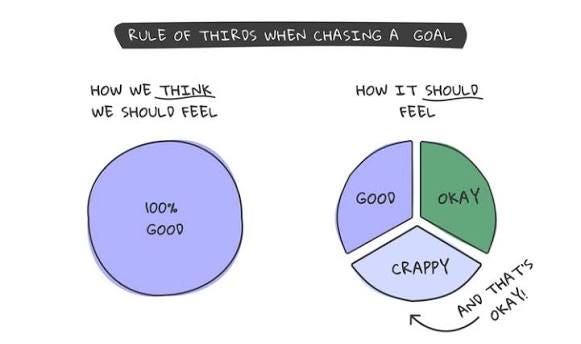
When confidence is hard to find, remember the “rule of thirds”.
That’s all for today. Let’s go do the work no one sees!
To winning,
Bryan
Subscribe for free essays and reported stories on business, ambition and Canada’s future.
That hockey card brings back so many memories. I have 4 of them (myself of course)